Monday, July 1, 2013

The Simple Life: On the Farm or On the Road? Plus an Overlander Gathering

It’s quite a contrast returning from living in a self-contained 120 sq ft trailer to a 2000 sq ft house plus 4 acres of landscaping, irrigation, fencing and animals, not to mention a few outbuildings and a coop full of eight chickens who are pretty pissed off at having been locked inside for five weeks instead of being free to roam. The two lifestyles are really at the extreme opposite ends of the spectrum, yet both have incredible rewards.

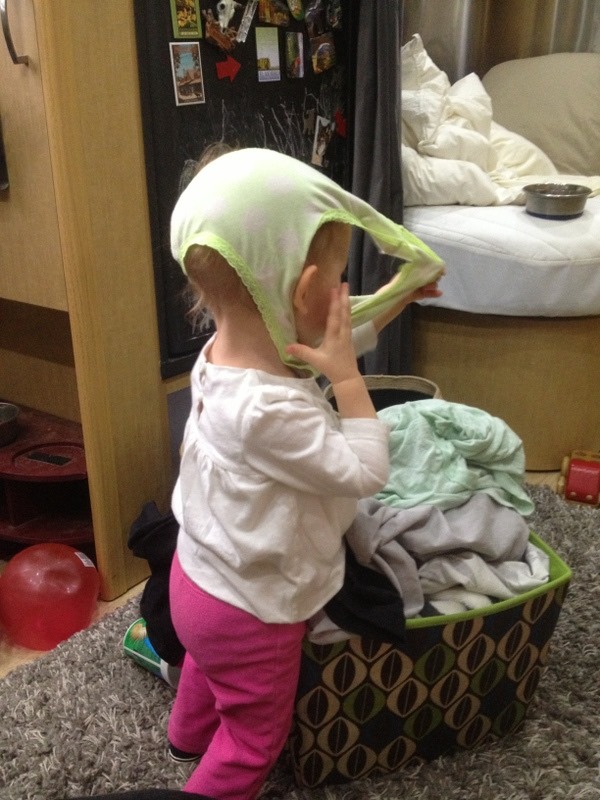
In the trailer, it’s necessary to minimize your belongings to the point that you can take them all with you. In practice, this means bringing only the things that are really needed for daily life plus a few indulgences. You are forced to really identify what’s important to you. If it’s not, it doesn’t come. It’s a completely stripped down life. Whatever else you need, you find it on the road. If you find you miss something, a physical item or an experience, you seek it out. When your week’s worth of clothes is dirty, you do laundry.
IMG_7119

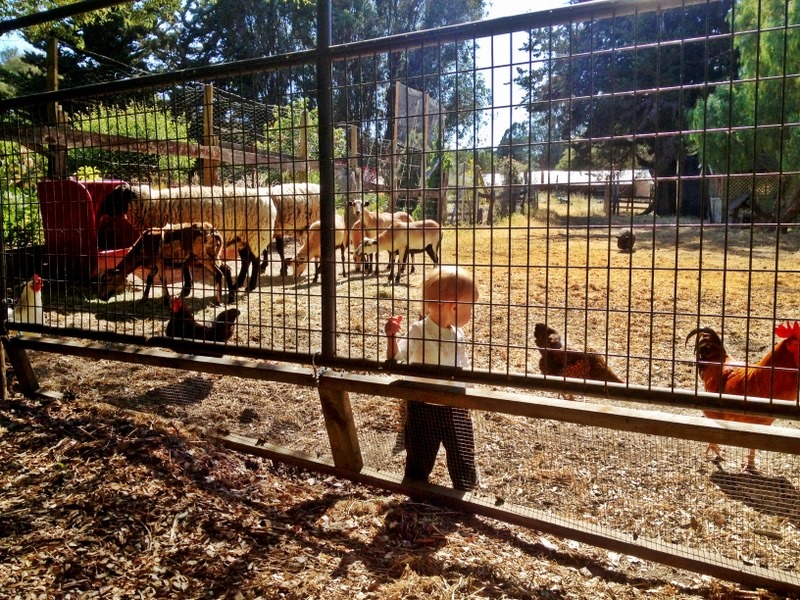
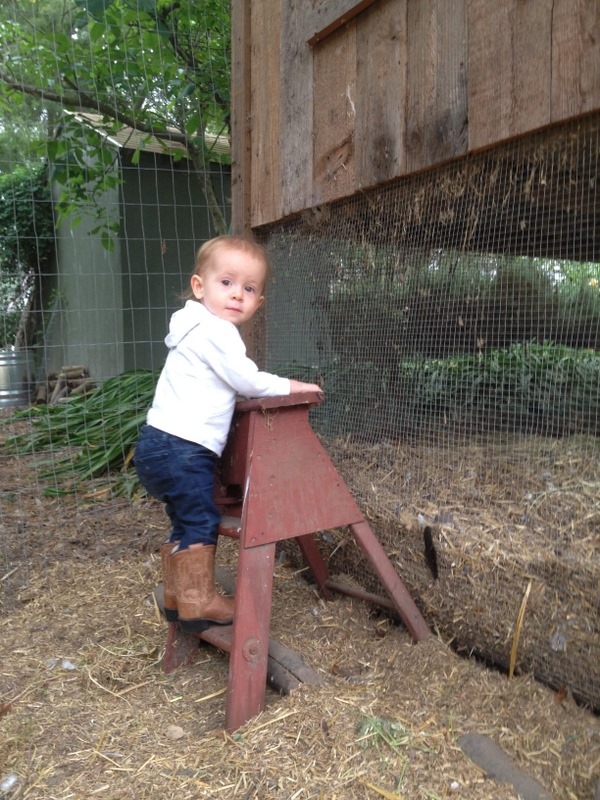
On the Farmlet, it’s about having everything you need right there: Water from a well, heat from firewood, meat from pigs, eggs from the chickens, vegetables from the garden, fruit from the trees and natural beauty and challenge all around. And with all this comes tools, spare parts, hundreds of feet of electric fencing and energizers, chicken feed, irrigation supplies, chain saws, pole saws, utility trailers, mowers and the list goes on. Here, you keep *everything* ‘cause you never know when it might come in handy. Fencing scraps are great for mending gaps or building baskets to keep the gophers away from the roots of the plants. Old wood can be cobbled together into raised planting beds or used to patch the roof of the pump house. An old chest freezer makes a decent root cellar or place to store jars and jars of last summer’s tomatoes to make chili in the winter. Even cuttings from the apple trees get bundled in old feed bags to be chipped and used to smoke the next pork shoulder on the grill.
IMG_7097

IMG_7102 IMG_7090

IMG_7089

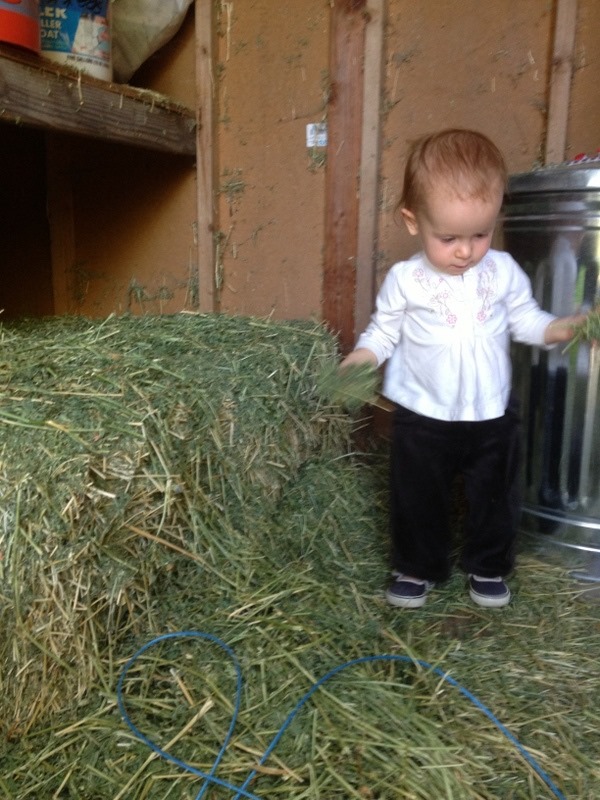
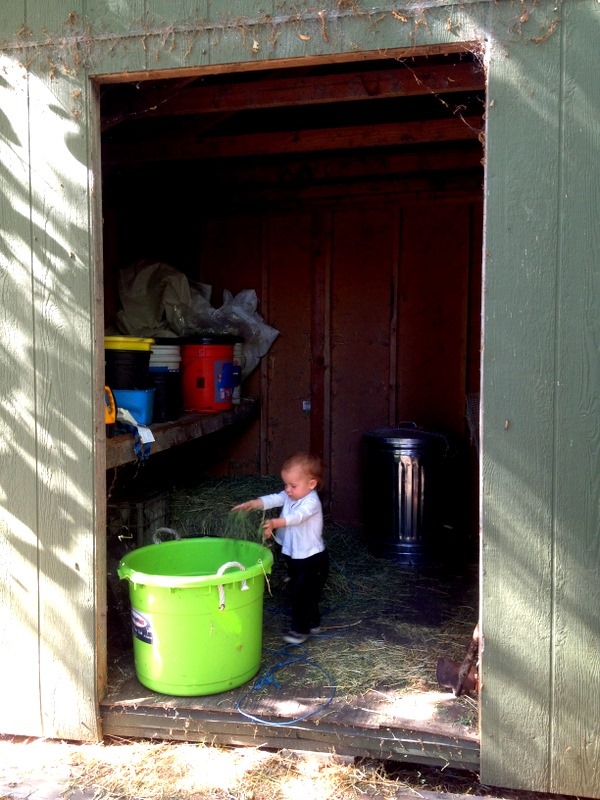
We arrived home after 5 weeks on the road just before Wynne’s bed time and briefly considered just putting her to sleep in the trailer right there in the driveway. We ultimately decided to bring her upstairs where she assumed a peacefully-sleeping spread-eagle position, enjoying the spaciousness she’d not seen for some time in her travel crib. Ann and I made a short loop around the property, throwing some alfalfa to the sheep, opening the door to the chicken coop to let the girls peck and scratch and peeking into the overgrown garden we’d planted the day before we left. Things actually looked a lot better than I’d feared. Since “buying the farm” two years before, we’d been working pretty hard to get things in shape – pruning overgrown trees, clearing brush and junk piles, getting sheep to keep the weeds down, replacing fences, expanding the garden, building the chicken coop, setting up automatic watering for plants and animals. And nine months of that time had been before we had Wynne and could spend uninterrupted hour after hour, day after day, working on ongoing projects. Man, what was that like again? So, by now, things on the Farmlet were actually pretty stable. That’s not to say I don’t have lists and lists of projects with things like re-shingling the lower roof of the barn, rehanging the gate between the greenhouse and the tractor garage, putting a sliding door on the feed shed to keep the rain out, rebuilding the front fence before it falls over, and replacing the tracks on the barn so the 200lb door doesn’t have to be lifted to be slid open, but those can be done over time.

Okay, so the garden needed a little attention…
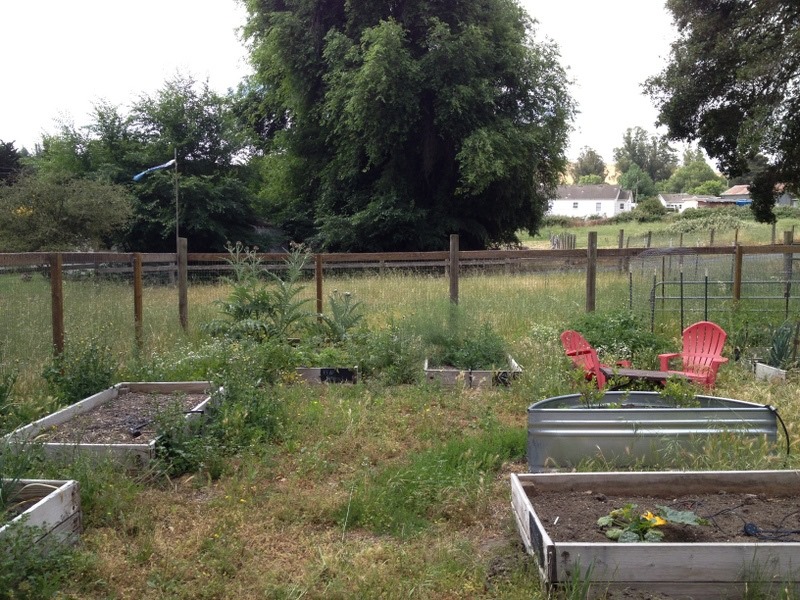
IMG_3666

IMG_3667

I’m noticing a pattern in this post. When I talk about the life on the road, the sentences are simple. When I talk about the Farmlet, the sentences are long and complicated and end in lists and lists and lists. Hmmm…

My 4’x8’ whiteboard in the office where the projects seem to magically appear…
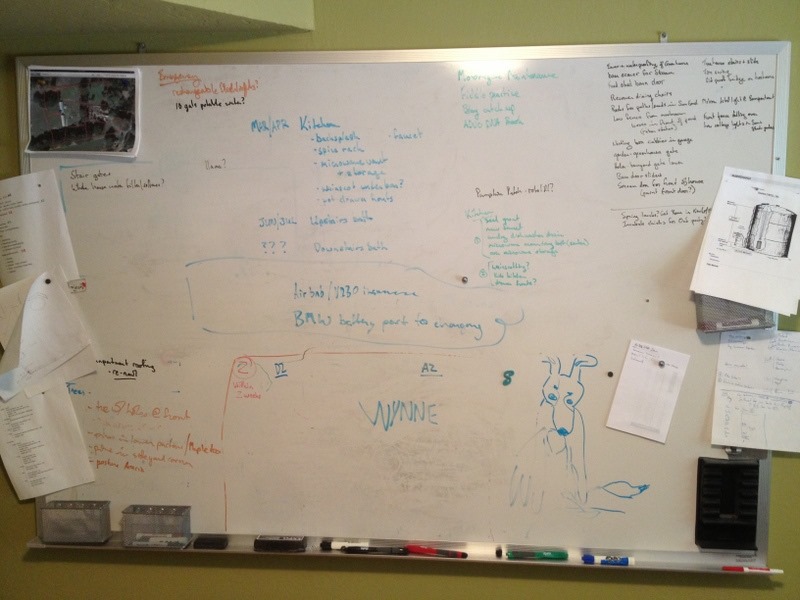
IMG_7639

After getting settled back home, I was also interested in taking a look at how our expenses had differed from being on the road vs. being at home. Of course, there were the new budget items like campgrounds and those that increased like gas, but I wondered how the rest would shake out. It turns out, most of the money we saved on childcare, we spent on a farmsitter to come by and check on the animals and collect eggs. We saved a little on utilities at home by turning off the water heater and digital thermostat, but we’re actually pretty thrifty about power usually, so with lights on security timers, it was only about $40 for the month. Groceries and dining out were exactly the same since in both cases, we ate a lot out of the freezer and pantry and only went out to eat once a week. Cash for misc expenses was about the same since we really don’t pay for much in cash either way. Fuel (gas and propane) was higher as we might have expected. We spent about $1200 more than usual which at an estimated average of about $4/gal would have bought us 300 gallons. 300 gallons at our 12 mpg while towing comes out to 3600 miles which is probably about right. For campgrounds, we averaged out at just below $15/night which I think is pretty good considering how many private campgrounds we stayed at. One of the most telling differences, however, was in a category I have listed in Quicken as “Household.” That includes stuff from CVS, Walgreens, Home Depot, Lowes but not related to any specific project. Just the “stuff” that goes into operating a large house/property. In some months, I’d seen numbers up into the several hundred dollar range! This month? $45.

Tiny house living wins again…
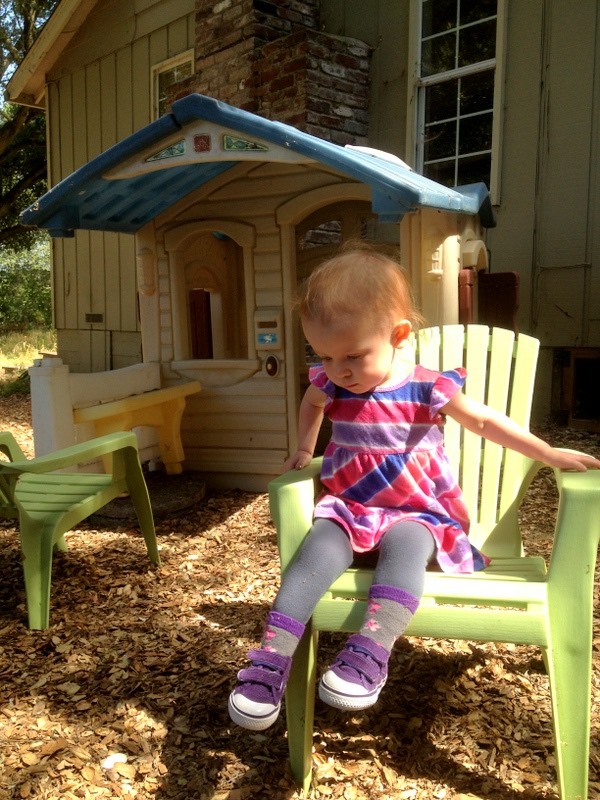
IMG_7054-001

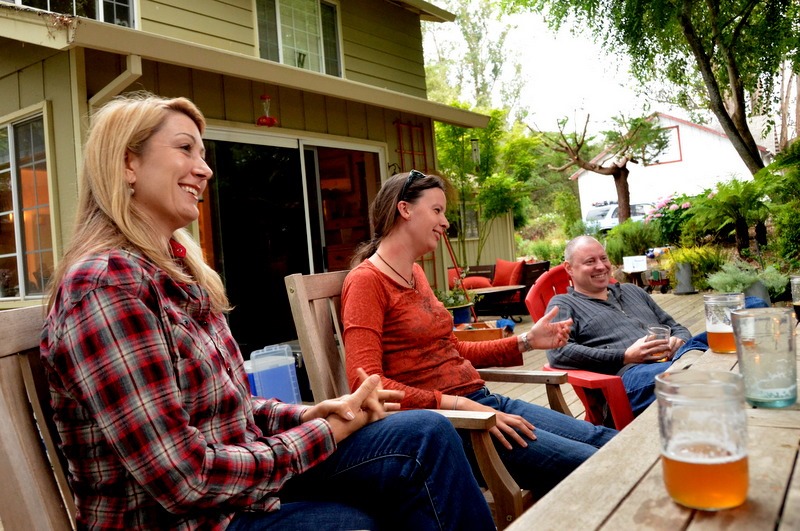
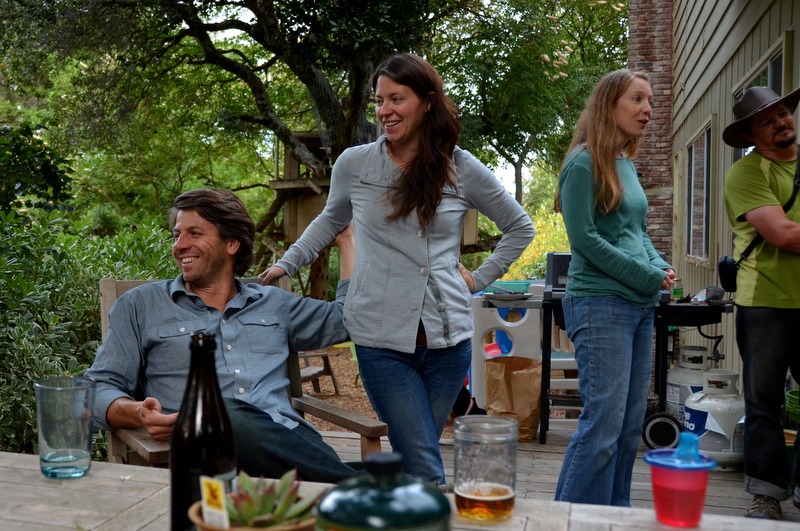
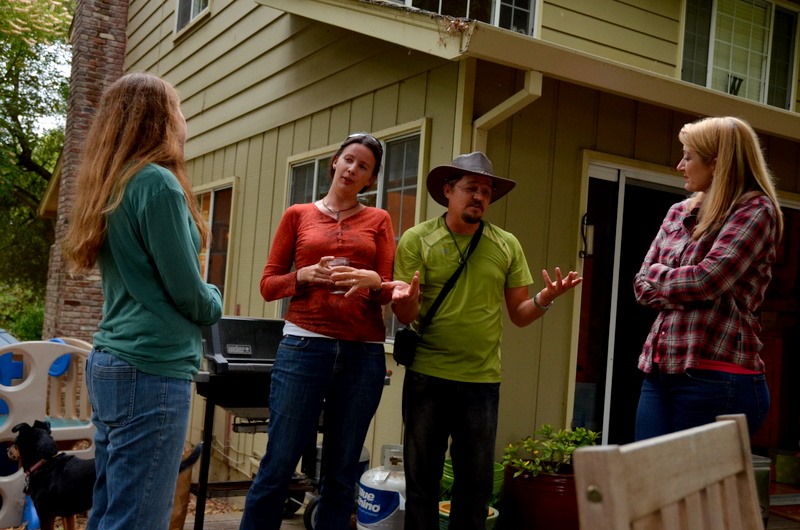
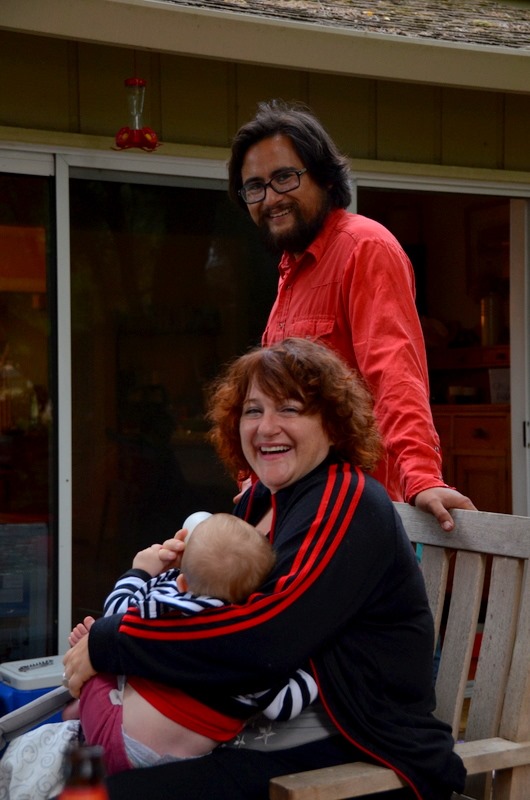
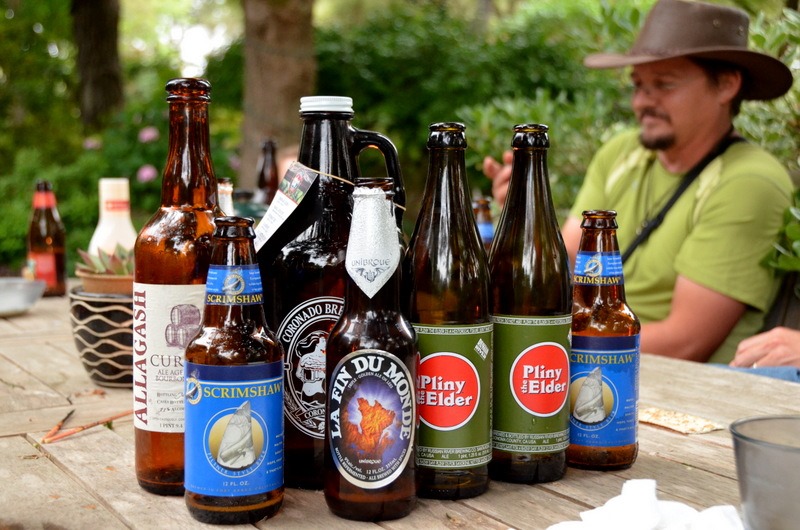
Soon after getting home, we saw a post on Facebook from some folks we’d met in person at Overland Expo after having crossed paths many times on social media. Jessica and Kobus from Life Remotely were still on their roundabout way home to Seattle after finishing a drive of almost 2 years to Brazil. At the Expo, they’d been waiting for their 4-Runner to arrive by ship into the port in Galveston, Texas. Once reunited with their trusty truck, they’d be coming through the Bay Area on the way home and wanted to see people (though I think they really just wanted free places to crash). After a few responses from Bay Area people, our Farmlet was willingly suggested as a spot for an Overlander BBQ. A Facebook event was created and the smack talking, menu planning and brewery tour coordination commenced. Anyone who knew the word “overlander” was invited, and we ended up with a guest list of our PanAm vets Life Remotely, whatever kind of farmer/Airstreamer/overlander/world overpopulaters we are, and three groups heading down the Pan American Highway in the next couple months – Erica and Sam from Song of the Road; Toby and Chloe from Carpe Viam; and Meriah, Mikey, Micah, MaQuinn and, of course, Moxie from With a Little Moxie. There were a few other unlikely RSVP’s from SprinterLife, Lost World Expedition and Ruined Adventures plus some interest from future travelers like Desk to Glory and Neli’s Big Adventure, but based on their locations across the country and globe, let’s just say we didn’t make extra food for them.

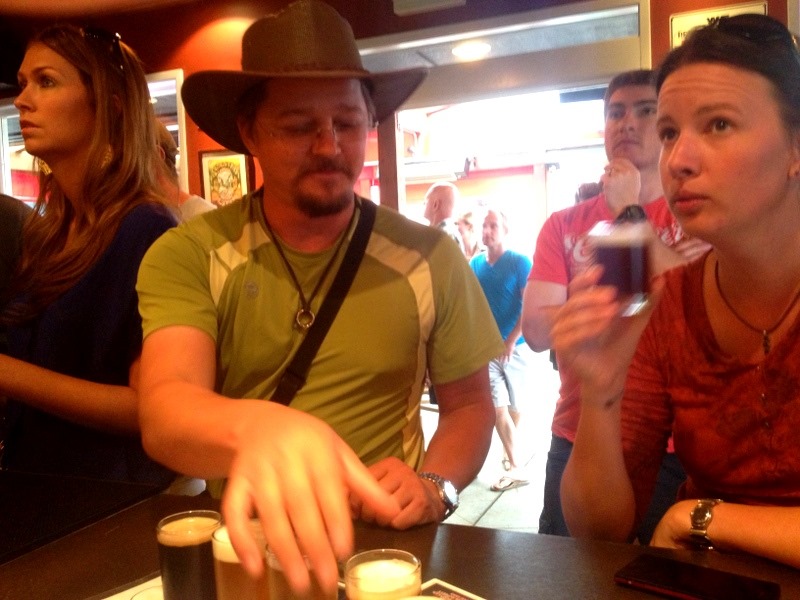
A few of us headed out to check out the Russian River and Lagunitas Breweries beforehand…
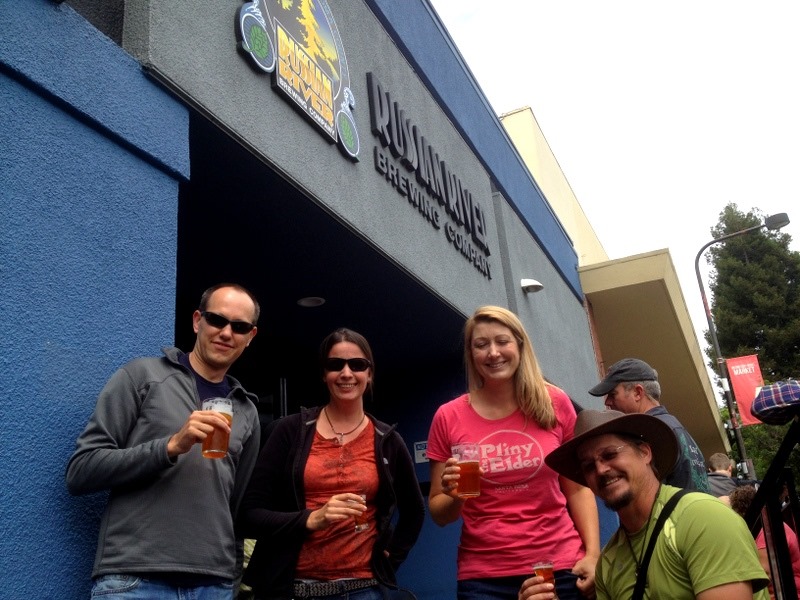
IMG_7377-001

IMG_7378-001

And then returned just in time for everyone else to arrive and for me to take the two fresh legs of pork I’d been braising for the past 6 hours out of the oven. I’d been shooting for 195 degrees and this is what it read when I pulled it out.
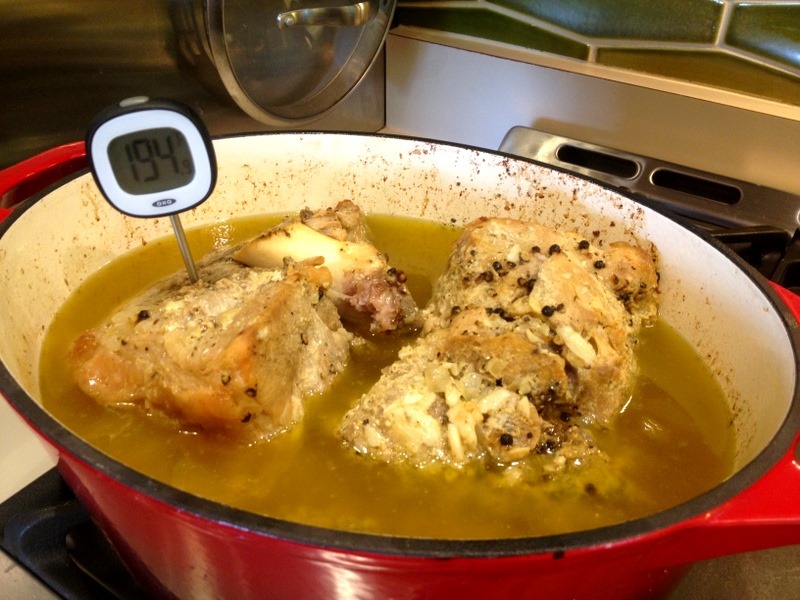
IMG_7381-001

Then again, Ann later admitted that in the chaos of getting ready, she’d accidently turned the oven off and not noticed for close to an hour before turning it back on. So, now I guess I have to do that every time I make this ‘cause it was pretty damn good. Here are recipes for the Cuban style pulled pork (Lechon Asado) and the Puerto Rican Pique sauce that’s delicious on it. Everyone brought something, and it came together into a pretty amazing last minute meal.
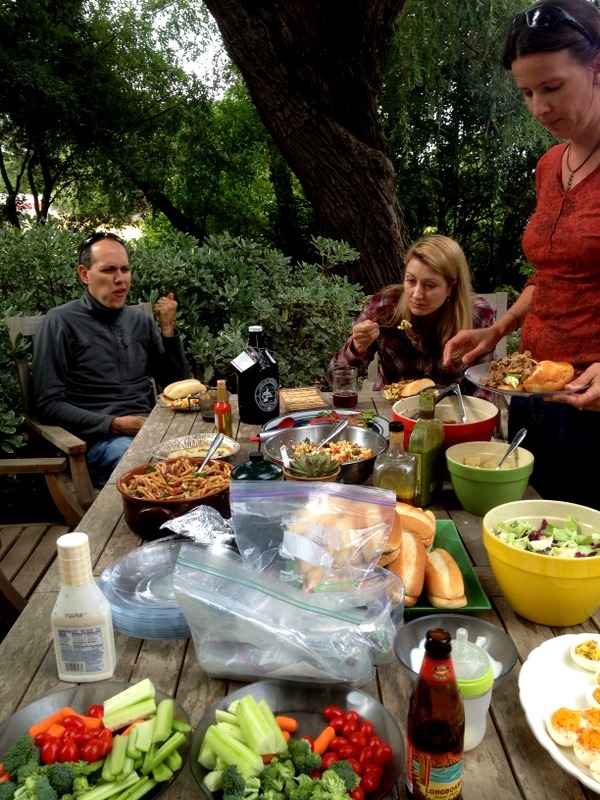
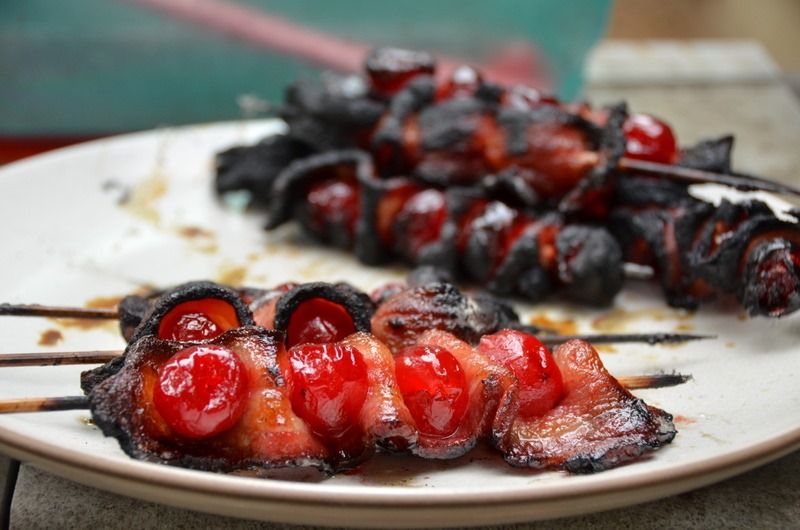
IMG_7383-001

DSC_0969-001

Moxie agreed…

DSC_1001-001

As always seems to happen with groups like this, there was an instant rapport, exchanging travel stories, sharing information and playing the traveler name game – or more accurately, the traveler blog name game (“Oh yeah! I know The Darien Plan and Bumfuzzle. I mean, I’ve never met them, but I know intimate details of their lives.”).

DSC_1052-001

DSC_1080-001 DSC_1092-001

DSC_1018-001

DSC_1051-001 DSC_1016-001

DSC_0995-001

And as always seems to happen with groups like this…
DSC_1095-001

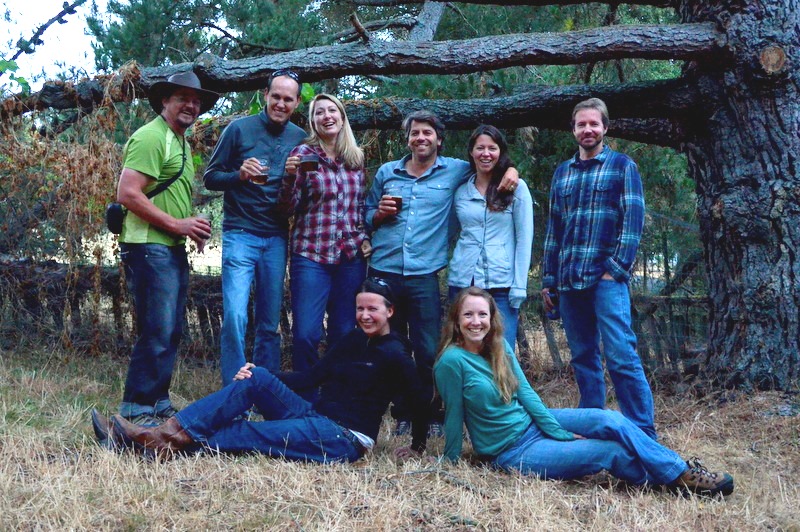
Fortunately, Toby’s brother Alexx, a great photographer realized that we were about to lose our light and thought to take a group shot.
DSC_1186-001

Check out the full album of pics from the BBQ.

Becoming Facebook and now real-life friends with all these guys and hearing the same story over and over about how they hadn’t realized how much stuff they had and how much it was ruling their lives before they got rid of it all in preparation for hitting the road, brought back a lot of memories about how we’d felt about 2 1/2 years earlier when we did the same. I wrote a little more about that freedom in a post just after entering Nicaragua. And meeting Airstreamers and spending more than a month in our trailer has been having the same effect.

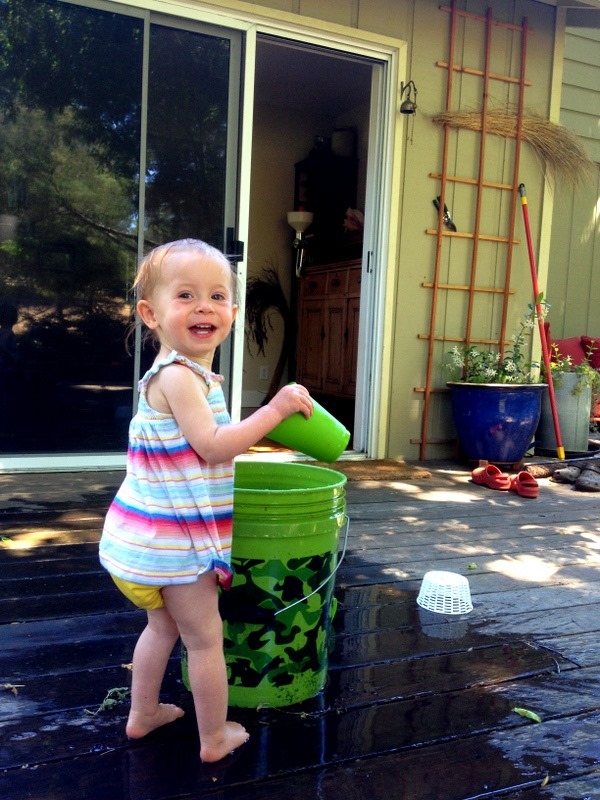
One night before the last trip, I came across a post by some Airstream full-timers calling themselves Weaselmouth. I know, all we need is another set of “virtual friends,” but there’s a good chance we’ll meet Tiffani and Deke at the end of the summer and have gotten a ton of information and entertainment from their blog. The post was about something called the 100 Thing Challenge. I’d never heard of it, so I looked it up. The creator, Dave Bruno, has moved onto other things after writing a book about it, but the idea is to try to pare down the material things around you to allow more space for meaningful interactions. It’s not really about sacrifice. There’s actually room for the things that are important to you. It’s just about getting rid of the clutter. I know, #firstworldproblems, and not everyone gets the same “clutter claustrophobia” – CLUTTSRAPHOBIA! I just invented a word. COPYRIGHT ME 2013! Okay, maybe I’ll keep working on it – but it can actually stress me out to even know I have a buncha stuff in a closet that I’m not using. Ann and I always comment after getting back from a trip how nice it was to have had only the 6 or 7 shirts, couple pairs of shorts and jeans and a couple jackets, etc that were our favorites. Honestly, those are the only things we end up grabbing on a daily basis out of the deep dresser drawers or overstuffed closet at home anyway.  And of course, for Wynne, the best toys are anything new and usually things that aren’t toys at all like cups, chapsticks and some silicone muffin molds she found in the tupperware drawer.
IMG_7449

I took an evening to make a list of how many “things” I had when we were traveling in the Airstream, including the things Ann and I shared. Of course, there’s a lot of flexibility in how one chooses to count. Is each pair of socks one thing? Each sock? All socks? The approach I took was to count each class of clothing as one thing but then to ask myself how many of each item it seemed reasonable to have. How many long sleeved western shirts would I like the ability to choose from each day? How many pairs of underwear should I have before I need to do laundry? For other than clothes, I grouped related items that all fit into the same space (camera bag, guitar case, tool bag) into single items. I also marked items that were “RV Specific” since we wouldn’t need things like a catalytic heater, a solar panel, an inverter, etc if we lived in an apartment somewhere. Then again, in the trailer we don’t have things like a dresser, dining table and coffee table, but I’m not sure if that stuff counts anyway.

Here’s the list:

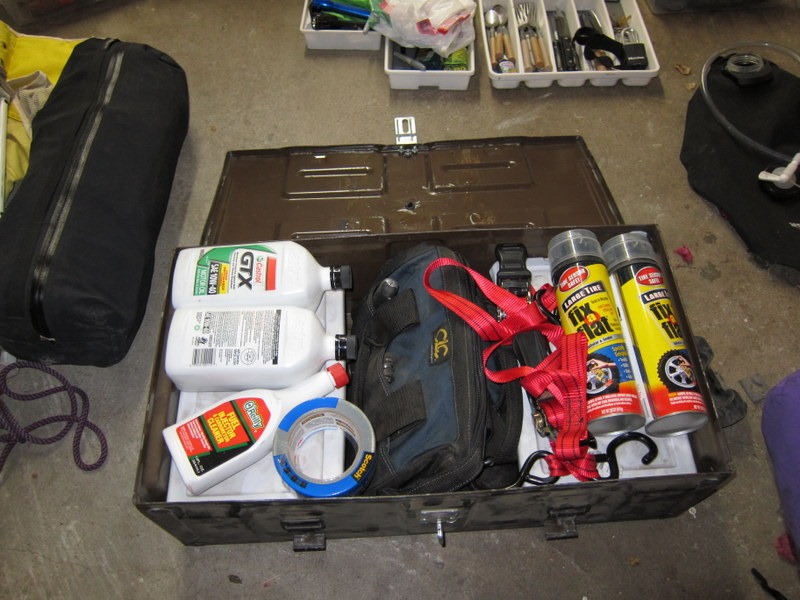
It’s interesting to compare this with our gear list and vehicle contents for the drive to Panama. There was also a great post recently from some seasoned overlanders titled “Stupidest Things Overlanders Brought on their Journey (and the Smartest, too).” The most interesting part is that the stupidest thing on person brought could be listed as the smartest for another.
IMG_0099

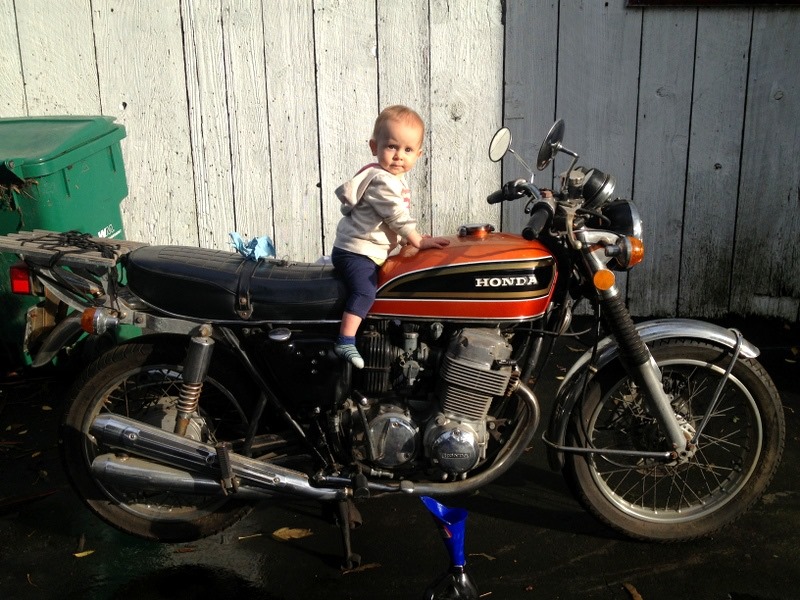
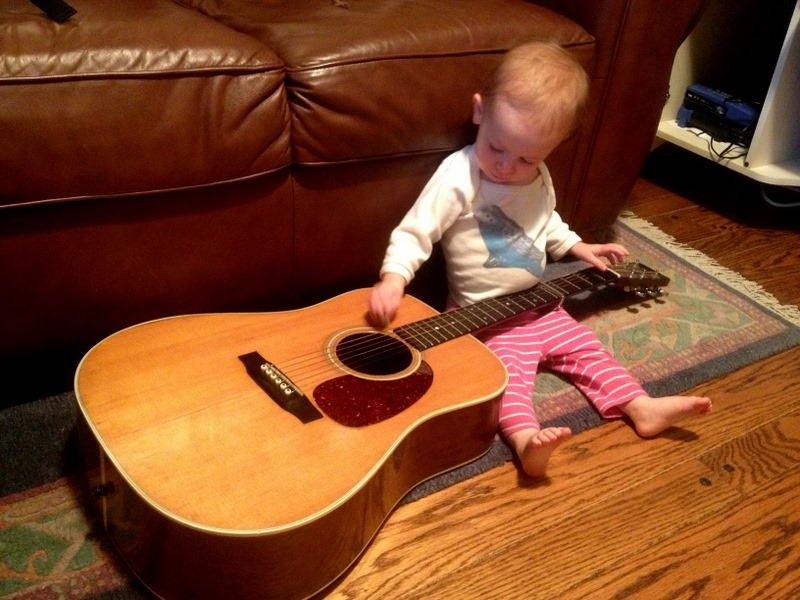
A few times on this last trip, Ann and I asked ourselves, if we were living this way full time, what else would we need (or want!) that we don’t have? The answer was maybe a couple more warm things if we spent any time in colder climates and a better plan/outlet for some exercise, maybe some bikes or a paddleboard, swimming stuff and running shoes. It was interesting that none of what we were missing was clutter. Sure, when you have a larger space, it’s nice to fill it with nice looking things to put on shelves or on the fireplace mantle, but, it turns out, when you don’t have a fireplace mantle, you don’t really miss having things to put on it. Looking around the living room at home from where I’m typing this now, I see maybe three decorative things that we got on various travels that are meaningful to me. I know there are a couple more upstairs, but that’s about it other than pictures and stories which are safely backed up on redundant hard drives and online. The rest is just stuff we picked up at yard sales, antique stores and, yes, Pottery Barn and Crate and Barrel over the years to fill up space. Oh, and guitars. And motorcycles. I have a little problem with that. I could totally quit anytime tho…
 IMG_5593

IMG_7373

After the Overlander BBQ, we decided to take a closer look at all the stuff we had. The idea wasn’t to leave the walls, bookshelves or even the fireplace mantle bare, but to look at the next level, the stuff crammed into the closets, lower drawers or filling the garage that we probably hadn’t looked at since sticking it there when we moved. We decided to go room by room and, while it’s an ongoing process, we’re starting to wear ruts in the road along the route between our house and the Goodwill and have about 20 ads on Craigslist!

Most of it was stuff we’d decided to keep “just in case” – extra kitchen stuff just in case we finally remodel the studio apartment in the barn, dressy clothes just in case we get invited to six weddings in two weekends and don’t want to wear the same thing twice (and the theme is “late 90’s retro fashion”), sports stuff just in case I decide that I need to play volleyball (with two balls!) one day, clothes that no longer fit just in case I finally lose the baby weight. I can honestly say that there hasn’t been one time I’ve given something a second thought the day after donating or selling it.

There’s no way we’d get down to “100 Things” on the Farmlet, and there’s not really any reason we need to. I mean I’ve heard you shouldn’t count your chickens, and I think counting sheep would just put me to sleep. While we have the room, I’m going to hang onto a couple classic motorcycles and leave a few beautiful playing and looking guitars hanging on the wall. We’re going to need all the farmy tools, doo dads and spare materials that go into running this place, but least now, it’s feeling like a much larger percent of it is relevant to our lives. Like we’re “well-packed” for the Adventure that we’re currently on.

IMG_7151

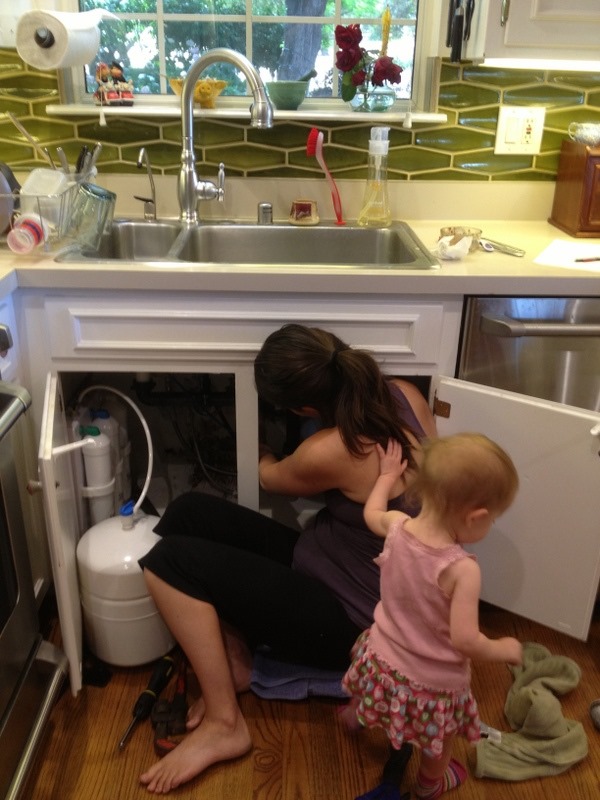
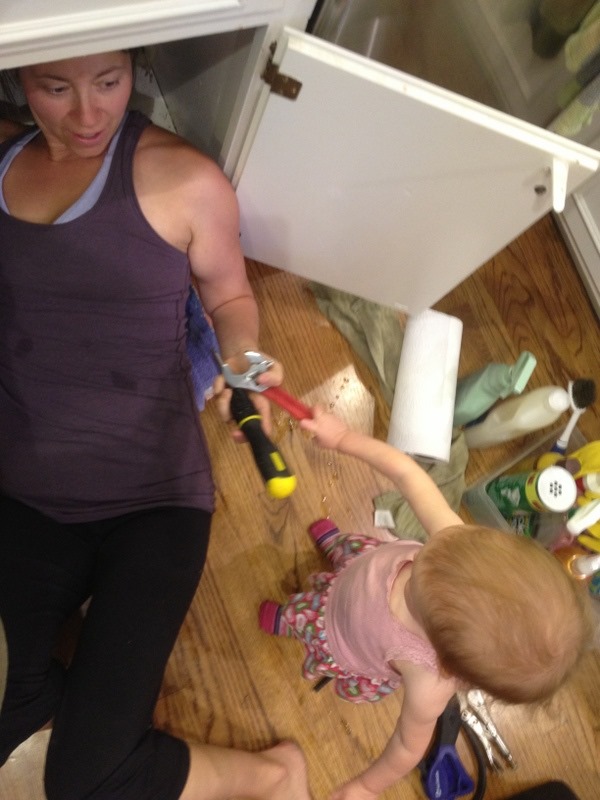
So which is the simpler life, on the farm or on the road? Clearly, on the road is simpler, but there are other tradeoffs. 200 foot wells and expensive pumps and purification systems on the farm are replaced by city water and a small serviceable pump. An aging septic system and leach field is replaced by gray and blackwater tanks and a dumping process that gets easier (and cleaner) each time you do it. Landscaping and irrigation that take maintenance are replaced by the wild beauty of National Parks. A barn full of tools and materials is replaced by a roof top cargo box and a small, efficient toolkit. Household chores are reduced to shaking out the gray shag rug and checking tire pressure. But with the simplicity, you have to give some things up, and it’s not just “stuff.” On the road, good produce and ethically produced meat are a challenge, plus you lose the satisfaction of having raised them yourself. Increased gasoline usage isn’t great for the environment (especially at 12 mpg), but I’d have to do the math on how much that’s offset by much lower “household” energy use. The disposable diapers we use on the road end up in the landfill instead of being washed and reused like the cloth at home.
IMG_7205

IMG_7200

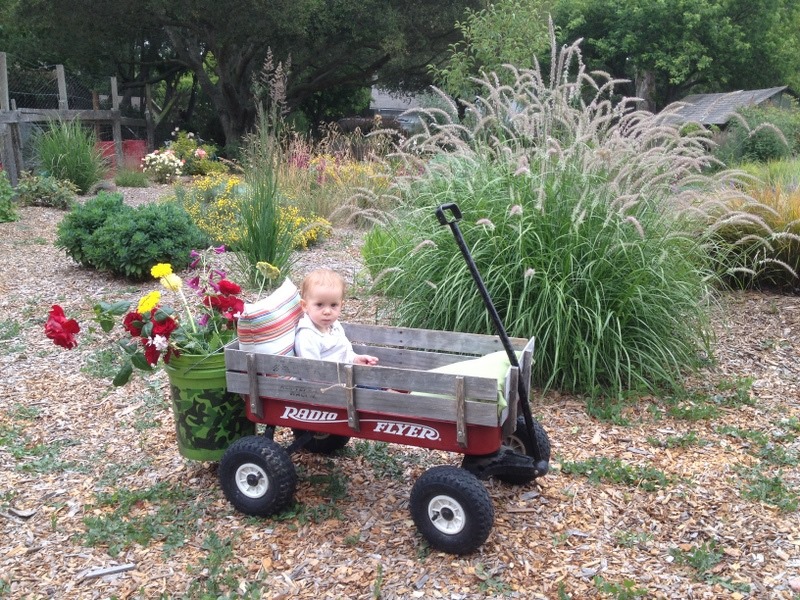
For us, the two are still happily intertwined. We can plant the garden and then travel for a month while it grows. We can move the sheep to a new pasture and explore while they munch contentedly. We can load the Airstream up with 3 dozen farm eggs that’ll keep for weeks (as long as they’re not washed). We can make soups and chilis and lasagnas with hyper-local pork and pack enough in the freezers to last weeks on the road.
IMG_7107

So after a couple pretty full days of weeding in the garden, hoeing out thistles in the pasture and moving the sheep onto some new grass, we actually feel like most everything is taken care of around here. It’s been a nice month back on the Farmlet, but for some reason, our thoughts keep turning from the simple life to the simpler life on the road. Plans are in the works…

Monday, April 11, 2011

Reentry

Sometimes it’s hard not to come to the conclusion that the reentry experience is why you travel in the first place. Everything is new again, and hopefully you’ve been gone long just long enough to forget your old routines and approach your home town with the traveller’s mindset. You do what you’ve been doing for the past however many months; Wake up in the morning, check your state of mind, consider the options the area has to offer, and set out on your next adventure.

Out the window, endless hills of vivid green rippled below as the plane descended towards San Francisco. Dotted with tiny houses, lakes and mountain roads, it was not hard to imagine that we were landing in some far off tropical locale like Costa Rica or Guatemala, places that had sounded so exotic only so recently. Every time I fly into San Francisco, I’m disoriented by all this open space and swear I will look at a map to figure out exactly where these secret valleys are, just miles from the urban sprawl. 

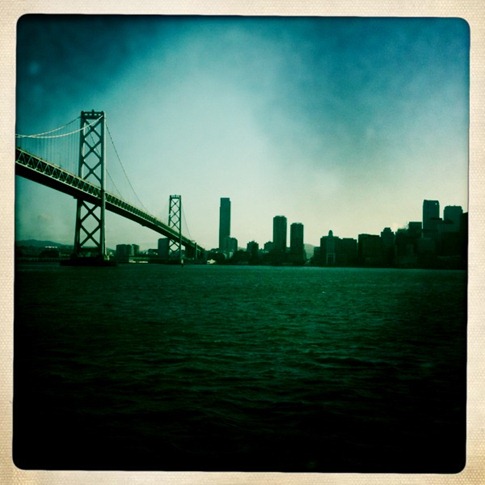
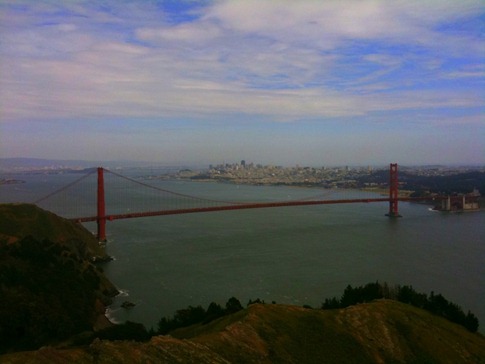
Over the Bay, we paralleled one of those bridges (not the one pictured below) I only know from radio traffic reports about congested traffic. Traffic on the 8’s, I think it is. Let’s go to Sal in the jet copter. Out towards the middle of the span, two windsurfers skimmed across chocolate milk-colored water frosted with whitecaps, seemingly miles from the shore. Even from seat 24F, I could see that they were wearing thick wetsuits with booties and hoods, and I wondered whether the enthusiasm I had felt for kiteboarding in the temperate waters of Lago Arenal would carry over to the frigid San Francisco Bay.

IMG_0116

In the terminal, we commented back and forth about how easy everything felt. While our Spanish had improved immensely on the trip, and we’d found that we could ultimately accomplish anything we’d needed to, there was a hesitation every time we went to open our mouths. Is this going to be right? Am I going to be able to say what I want to say? Is this person going to understand my accent? Are they going to appreciate that I’m at least trying?

I think one of the signs that you’re getting a feel for a language is when you start deciding how you want to say a given thing based not on whatever’s easiest but on what sounds best to you. Thinking about how differently Ann and I might choose to say the same thing in English, and knowing that the same variations exist in other languages, explains why it was sometimes hard to pick out what someone was saying to us in Spanish. But of course, that’s the power - and definition – of knowing a language: the ability to utilize the components to form a sentence or thought that can be comprehended by another though it may never have been spoken in that way before. We felt a layer of stress melt away as we reverted to our native tongue and could express anything we wanted to in any way we wanted to.

That night, we both woke up a few times, squinting around the room in an all-too-familiar exercise: waiting for sleep to fade enough to remember where we were, where the bathroom door was, where the truck was. And with the realization that we were home, safe in the guest room at my Mom’s house, with little possibility of 3:00 am fireworks or loud voices in a foreign language outside our door, another layer of tension disappeared.

Around Rio Dulce, Guatemala, we had had to acknowledge that being so far away from home, constantly having to figure out new customs and currency, where to sleep and eat, and with a vehicle that represented our freedom and our lifeline, it was never easy to relax completely. I envy those people who can lose themselves into any environment and completely go with the flow, but there will always be a part of me that’s aware of the fact that it wouldn’t take much for someone to decide to steal the truck… or kidnap one of us… or worse. It’s not something we thought about on the surface – if we had, we wouldn’t have left home and never would have had the experiences we did, not a viable way to live in my opinion – but, rather than pretend to ourselves and each other that we didn’t feel it, we talked about it and made changes to our route to make ourselves feel as comfortable as possible.
I mention this in no way to create the impression that we were paranoid and looking over our shoulders constantly, nor to imply that we were in constant danger in a wild and unpredictable environment, but because it was part of the experience for us: being out of our comfort zone, facing challenges with every day activities, and communicating with each other on how we wanted to deal with it. But now, home in a familiar bed, we sank back into our pillows, not regretting one second of the trip and the experiences we had, but thankful for the opportunity to completely relax.

That weekend, we went to a baby shower for a friend who looked like she was about to pop; When we’d left, she was just barely starting to show. Another friend had given birth in January while we’d been on the Yucatan Peninsula, and we were excited not to miss this one. The shower, technically billed as a “Co-Ed Baby BBQ” so as to keep the guys interested, was a great place to catch up with a lot of people. We got just about every response from “It must have been AMAZING” to “I’m so glad you made it back alive” to “Oh, were you away somewhere?” But true to the theme of the evening, we spent some quality time with our newest “frephew” - child of a friend - as well as with some huge foil pans of ribs and chicken from a BBQ place up the street.

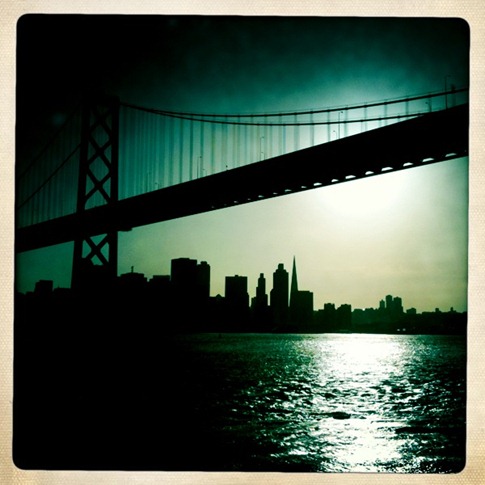
My brother offered his season tickets to the Giants for the following Monday night, and I instant messaged a friend who’s a big fan about coming along. I should mention that I don’t really follow sports but enjoy watching with friends and know enough, though all my trivia is from watching games with my Dad in the 80’s, to realize that the “infield fly rule” has nothing to do with why baseball pants don’t have zippers. It may have been two beers I had on the ferry, motoring out from the Larkspur terminal with Mt. Tamalpais on the right and the beautiful but imposing San Quentin prison on the left, paralleling the Richmond-San Rafael bridge with the jagged San Francisco skyline in the distance, getting a peek of the Golden Gate through Raccoon Straits between Tiburon and Angel Island before skirting Alcatraz and passing under the Bay Bridge to the ballpark, but I had that reentry feeling; It felt comfortable and familiar, but at the same time, like I was seeing it all for the first time.

IMG_0107

IMG_0108

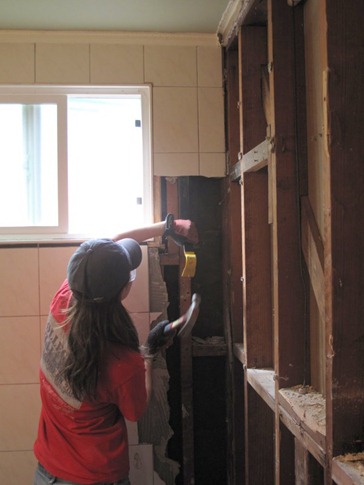
I’d lived in the city for the past 6 years, having moved from the suburbs after a divorce, looking for a social scene and some energy to distract myself. Ann moved about the same time, from a similar yet perhaps not as “storied” suburb of Boston. Actually, it’s just that their stories are about Paul Revere and “The shot heard ‘round the world” while ours are about hot tubs, peacock feathers and, more recently, liposuctioned and botoxed women driving their Lexus SUV’s between their morning and afternoon yoga classes while their nannies are home with the kids. Ann and I met while working on a house for Habitat for Humanity, an organization that uses volunteers to build homes for low income families who repay 0% interest loans on the cost of the materials. To this day I swear it’s the best place to meet single women who don’t mind getting their hands dirty. Sure, it took me 4 months of working on the house one day a week, but the first phone number I asked for turned out to be a keeper. We bought a house together and started remodeling the bathroom soon after.

IMG_5140

The city gave us what we needed; We met friends, went out several nights a week, and had a constant flow of activities to choose from. We became proud of our “locals only” insights into the best burrito shops, shortcuts through the hills between neighborhoods and locations of the best parking spots. It felt right to be part of this vibrant community of creative people, always looking for the next new thing while carefully cultivating a “too cool to care” affect. We became tolerant of the certain level of “grit” that city living presents.

But returning now, seeing it through new eyes, it felt like entering into some concrete art installation; Beautiful at times, yes, but not inviting. Sure there are oases in the form of open plazas and parks, but their very existence implies the need for escape from something else. The people now seemed like theater, either trying too hard to show off their success or trying too hard to look like they had none. And after 5 months of constantly feeling a little on edge, the "grit” had lost its cache.

The truth is, for the past few months, we’d known we didn’t want to return to our house in the city. Sure, there was also the fact that we couldn’t return to it because we’d rented it for nine months, not being sure how long we’d be gone. But we’d also decided that we wanted a change. We’d had our fill of the impermanence of daily travel through the unpredictability of Mexico and Central America, but we weren’t ready to plug back into our old lives.

So we did what we’d been doing for the past five months; We woke up the next morning, checked our state of mind, considered the options the area had to offer, and set out on our next adventure.

Sunday, March 27, 2011

Police Shakedown to Boquete

Did we seem tired in that last post from the Osa Peninsula? I felt a little like a whiner, and I’d promised not to complain about our 5 months of adventure while you poor suckers are sitting in a dark basement chained to your desks, being whipped by bosses in silk ties and leather face masks. Sorry, I haven’t been in a real office environment lately; That’s just the picture I have in my head.

But at the same time, I want to remember accurately the ups and downs we’ve had on this trip, and for the most part, will include them here. In fact, it’s these emotional ups and downs that I imagine are both the most difficult part of doing a trip like this and also what will lead to the most memorable experiences and teach us the most about how to continue to build a good relationship.

So with that in mind, I give you a down… (but with an up at the end!)

After our unsettling experience at the border, I got in the passenger seat and just said, “Drive.” Ann usually drives the borders while I hop out and shuffle papers through indistinguishable windows and press my ear against the glass so I can barely hear and hopefully understand the person on the other side. I think we’d only used a “helper” – the guys who flock around your truck once they see foreign plates, flashing laminated badges that may or may not mean anything – one other time when I couldn’t for the life of me figure out where to find a particular signature we needed. Generally, we’ve found officials at the seven borders we’ve crossed to be professional – if a little slow – and had never experienced any inkling of impropriety in the form of a bribe request or the like. In fact, many of the windows we approached had signs in English saying something like “The services provided here are free. You will not be asked to pay anything,” sometimes with a phone number to report problems. At the Panama border, the attempted extortion of $200 was by one of these helpers; The agent didn’t seem too interested in the process. We entered Panama wary but with our trust of authority figures intact; It was shattered 500 meters later at the first police checkpoint.

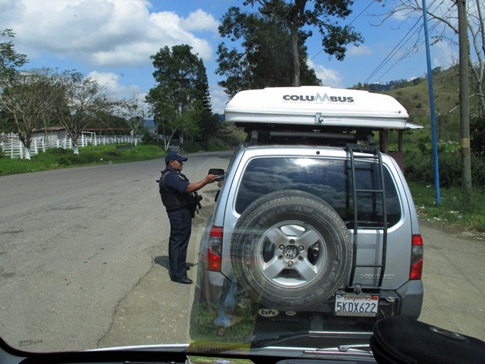
(Picture borrowed from checkpoint in Honduras)

Ann rolled down the window and greeted the officer with a “Buenas.” We’d been cautioned against speaking too much Spanish to the police, better to retain the option of playing the “stupid gringo” later, but all that seemed a little paranoid. We weren’t sure that the stereotype of the fat, mustachioed Policia really existed anymore. Though we’d been asked for a few “extra” items – one cop in Honduras wondering if he could have our flashlight and one in Nicaragua claiming he was a “collector of foreign money” – none of them were particularly insistent and relented when we just gave them a firm “No.” We’d given each new country a clean slate but with one strike policy; The first officer we encountered was greeted in Spanish, but we would revert to only speaking English at the first sign of mischief.

“Licensia y circulacion,” he asked.

License and registration were a reasonable request. I reached under the seat for the zip up binder with the vehicle documents, and Ann flipped up the center armrest to grab her wallet. We both realized it at the same time; Since around the time we were mugged at machete-point in El Salvador, we weren’t really sure of the location of Ann’s purse. It had always been under the passenger seat, but we both had some recollection of moving it back into “the vault,” a steel box I had installed locked behind the rear seats. Neither of us remembered seeing any of the “perps” shouldering an Eagle Creek travel purse as they fled the scene, and there had been no activity on the credit card, so we were optimistic that we had it somewhere; But the cop at our window wanted it now.

We handed him a color copy of her license, but he just kept his thumb and pointing finger an inch and a half apart as if holding an invisible card. I dug into the center console and handed him mine – actually an old expired one of mine - hoping that chauvinism was alive and well in Latin America and a woman’s license would have been worthless anyway. He persisted, and we finally admitted with a little Spanish that hers was “perdido.” Lost. He dramatically shook his head, let out a mock sigh and motioned for me to follow him into one of the small shacks in the median.

Inside, a fatter, older cop, dressed in the same olive drab, military-style uniform with pants tucked into tall black combat boots, sat behind a metal desk. The first cop explained the situation to the “jefe,” the boss. He spoke in Spanish but with a drawn out, you-can-see-where-this-is-going phrasing. The idea was this:

“So, these guys just pulled up and, here’s the thing. This guy has his license but the girl doesn’t. And, the problem we have here is that, when they drove up, she was driving, not him. And like I said, she doesn’t have her license. So…”

The jefe leaned back in his chair and made an expression to show that he understood the gravity of the predicament, pulling back his lips and sucking air through his exposed teeth. “Shhhhhhhhh,” he said and then followed in English with “Baaaaaaaad.” Perhaps not sure I’d caught it, he repeated it, much louder this time. “Baaaaaaaaaad!”

A third officer walked in, dressed in jeans and polo shirt with a badge on his belt. They went through the same process, carefully explaining this dreadful position that they’d been put in, looking at each other with the same feigned concern. The new arrival walked over to me and said, “You speak Spanish?”

This was it. This was time for “stupid gringo.” It was happening. This little drama they were putting on was the real thing: a full on shakedown.

“No," I replied. “Only English.”

He gestured to the car. “She?”

“No. She no Spanish.” I reverted to full caveman English to get my point across.

My heart was pumping; I could feel my hands starting to shake. But at the same time, I’d also been sickly looking forward to this situation. I’d read about in other people’s blogs and wasn’t sure how exaggerated the details were. I’d lain awake some nights before leaving on the trip wondering whether I’d be able to keep it together.

“Me speak…” I paused, over-acting my mental search for the Spanish word for “better,” and more importantly the best way to mispronounce it. “Me speak may-jor than her.”

The three of them huddled up behind the desk, devising a plan. The cop in jeans came back and told me in Spanish that they would have to issue a “sancion” for this egregious offense. The other actors picked up a phone hanging on the wall and started talking into the handset; I don’t honestly remember whether I saw them dial.

“They call Transito,” he said, referring to the division that handles traffic fines. “Ticket. Baaaad.”

“Ticket?” I responded. “Okay.”

The only thing worse for their plan than a stupid gringo was an accommodating one; It’s only when the victim breaks down and asks “Isn’t there anything I can do?” that they have a chance at collecting the bribe. This sent them back into huddle. But just when I felt like I had the upper hand, I made a crucial mistake.

“Disculpe, voy a la camionetta para un poco de agua.”

Crap! I just told them in Spanish that I was going to the car to get some water. The jig’s up! The gringo can speak Spanish! But there was no sign of realization. They just nodded as I walked out the door. Ooops!

When I came back, the cop in jeans pointed me into another room where he sat behind another metal desk. The jefe was standing beside him giving final instructions, miming the flipping of bills by slapping the back of one hand into the palm of the other and saying in Spanish, “Just do this motion with your hands and say ‘money.’” The cop in jeans responded in Spanish, “Okay, but I don’t think he’ll understand.”

Even after eavesdropping on this entire conversation, I had a feeling he was right. With the jefe looming in the doorway, the cop in jeans did his best. He did the money flipping thing which I just mirrored back to him with a confused look on my face. Finally, he made a gun with the fingers of his right hand and said, “The police… money.”

“Police. Money. Okay, ticket? I get ticket?” I responded cooperatively.

“No. The police… money… and you go.” He tried again.

There wasn’t much way I could pretend not to understand that. Then I had a flash.

“Oh! The police want money?” I replied excitedly. “Well, the problem is, we don’t have any money. Wait until you hear this! It’s soooo crazy! You see, back at the border, they told us we needed to pay $200 to get the permit for the car. We paid them all of our extra money! Now we don’t have any!”

The cop in jeans said, “You no have money?” as the jefe peeked through the door.

I caught him looking and turned to him talking much too loudly for their tastes and in excited English. “So you guys want money?! I was just telling this guy. We paid $200 at the border. $200!” The jefe winced with each barrage of English I hurled at him, waving it away like I was spitting bees at him.

He turned to face the road, his back now in the open doorway. With one final sneer in my stupid, accommodating, tapped out gringo direction, he gave a hurried flip of the wrist and walked away.

“You go now,” the cop in jeans said, shaking his head in exasperation as he stood up from his desk. I walked straight back to the driver’s seat of the car, got in and drove off, victorious.

Well, needless to say, Panama had not gotten off to the best start. In fact, probably two of top three bad experiences we’d had thus far. And yes, we were tired and not particularly receptive to having our minds changed. 

We followed a cutoff north towards the small mountain town of Boquete, on the banks of a pretty river. A The main attractions; hot springs, coffee tours and hikes on the nearby Volcan Baru, weren’t calling to us but we had a nice day walking around “Mi Jardin Es Su Jardin,” a huge private garden that has been opened to the public. Families, couples and groups of teens roamed the winding paths and hanging bridges, looking at the coy in the ponds or climbing the observation tower. As evidence of the need to take all online reviews – probably this one included – with a grain of salt, one person wrote on TripAdvisor that it was tacky and looked like a giant miniature golf course. I don’t recall seeing the polka dotted animatronic hippo, but we still enjoyed it.

We also backtracked a little ways down the road to a bookstore called “The Bookmark.” Owned by an older gringo, this was the kind of place you’d love to have blocks from your house; Crowded but well-organized shelves wound from room to room, filled with tons of used do-it-yourself books on construction, alternative energy, sustainable farming and gardening and everything our minds have been swimming with over the last couple weeks. We’d highly recommend stopping by this place on your way into Boquete. We bought a random sampling of hammock literature and a one-year-old Lonely Planet we hoped might put Panama back in the game after a two-strike day. 

Monday, February 28, 2011

Looking Back: Our Best Ideas for the Road

Are few of our best ideas. Stuff that’s made the trip a little easier and we’d recommend to anyone thinking about getting gone.

Going Low Pro Driving a vehicle that doesn’t get a lot of attention. We’ve been particularly happy not to have been given a second look by cops or anyone else as we’re driving around. It’s already easy to a feel a little “exposed” far away from home in a different country. It doesn’t take much to feel pretty darn flashy down here and sometimes it’s nice to just blend in.
Staying Flexible There’s gonna be ups and downs on a trip this long. Keep the schedule and communication with your travel partner open. Everyone’s going to have different levels of comfort and your needs are going to change as the trip progresses. On one level, you’ll feel more comfortable everyday as you get used to the constant sight of guns and fireworks going off all around you. But there will be times when you just need to shut yourself in a decent hotel and watch reruns of Friends in Spanish.
Installing a Kill Switch Go to your dealer or a junk yard and find a basic on/off switch, best if it’s for an accessory you don’t have in your model but a duplicate works. Think defogger or rear windshield wiper. Have someone (or do it yourself) wire it to the fuel pump relay. When off, the fuel pump won’t get power and it’ll seem like the car’s out of gas. We never worry if our truck will be there when we get back.
Bringing a long extension cord At most campsites, even parking lots or hotels, you can run power to your truck. Particularly great with a fridge that will override DC when it has access to AC. Also nice for “Saved by the Bell” marathons on DVD.
Bringing a spare set of sheets Whether its cleanliness or comfort, there are times when having your own sheets is well worth it.
Installing a window break sensor Surprisingly few alarms have them these days, they can often be added. Get one with a calibration that allows you to control sensitivity. The alarm is pretty much useless without it.
Securing everything It doesn’t have to be Fort Knox, just make sure everything you don’t want to walk off is behind at least two levels of security. If it’s on the roof, lock it on. If it’s inside the car, put it in an Action Packer with a padlock through a chain around the seat post. All it takes is a window to be smashed and your backpack’s gone. Add at least one more step for the bad guys and you’ll have a little more confidence when you have to leave your vehicle.

Sunday, February 20, 2011

…and The Unfortunate

For some reason, driving out of Tacuba and the Bosque El Imposible, we were feeling particularly at home in El Salvador. It could have been Mama’s hospitality and “mi casa es su casa” attitude or just being at the point in our trip where we were getting the hang of it. So, when bumping along a cobblestone backstreet, when a man waved us down, I rolled down the passenger window to see what we could do for him. He stuck his drunken and toothless head all the way inside the window towards Ann and stretched out his grimy hand for money. What was I thinking? We have to be more careful.

El Salvador’s a tiny country; Drive 4 hours in any direction and you’ll pretty much hit a border. While our goal was the northern crossing into Honduras at El Poy, we thought we’d zig zag a little to see a few sights. The family we’d talked to at the hostel the other night had just come from climbing Cerro Verde in the Parque Nacional de los Volcanoes. Also in the park was Volcan Izalco, having grown from a bump in the ground to a 6,000 ft tall, perfectly conical volcano in only the past 200 years, and we thought the area and nearby Lago de Coatepeque would be a good stopover.

We backtracked the Ruta de las Flores, this time stopping in Juayua for their Feria Gastronomica, a street food festival centered on the main square of town. A full plate of barbequed ribs and papusas later, and our opinion was starting to change. We also started down a road just past Ahuachapan to see some thermal vents called "ausoles” that they had harnessed to generate power. We caught a glimpse of them before too long, puffing white steam that looked like a smokestack from the green hillside in front of us, but decided we didn’t need to drive all the way there just to stare at a buncha ”ausoles.”

Spoiler alert: If you’re cursing the lack of pictures in the list post right now, you’re gonna feel like a douche in a few paragraphs…

Continuing east from Sonsonate, the volcanoes rose to the north before we took a small junction road towards the national park entrance and the lake beyond. Though narrow and riddled with potholes, I made a mental note to suggest the road to Tree and Stevie. We took the left turn at a sign for Cerro Verde and continued a curvy road. A few miles up, a view from high above Lago de Coatepeque opened up at a “mirador,” scenic vista points with a raised viewing platform and a parking area. Like we had a few times already that day and many more times along the coast, we pulled in, grabbed the camera and walked to the edge.

When we turned around, three men were walking towards us, one wearing a black ski mask and two carrying machetes. Talking about it later, we both had the same thought, “A ski mask? In this heat? That’s really weird.” And I should also mention that just about everyone around here is carrying a machete, both for field work and for protection. The two with the machetes came towards me saying “Moneda! Moneda!” demanding money while the other stood near Ann. I tried to stand my ground, yelling “NO!” as loud as I could while they shushed me, but the presence of twitchy machetes surely resulted in at least a few steps back as they came towards me. I patted my pockets and told them, “No tengo nada,” even giving one of them the $0.40 I did have to make the point.

When they turned their attention to the camera in my hand, I refused once again and briefly considered throwing it to Ann though I didn’t want them going after her. Until now, the third guy had just been telling Ann to be quiet and that everything was going to be okay. I thought about throwing it into the bushes as well, but with each second, the threatening hacks at the air with their machetes seemed to grow more frantic, and I was conscious of not wanting them to panic and escalate things. Though the machetes looked a little rusty, in the heat of moment I couldn’t remember whether I’d gotten a tetanus booster before the trip and didn’t want to take any chances. After a hard swack on my left shoulder with the flat blade of the 16 inch knife, I handed it over.

The leader then started pointing at my hand and yelling “feria!” I assured him I wasn’t wearing a watch and passed my hands over my wrists like a magician showing he had nothing up his sleeve. While I later learned that “feria” is slang for money, it was quite clear he wanted my wedding ring. Despite a few stretching sessions with my sister-in-law Meghan who had made the rings for us just 4 months before, my ring was still quite tight, and I tugged at it for show adding “No puedo!” or “I can’t!” As he persisted, I saw over his shoulder the third guy approaching the passenger door of the truck. I reached into my pocket for the alarm clicker but got to it a second after he’d opened the door. In hindsight, I wish I’d thought to press the panic button – you know, the one you always hit by accident as you’re walking out to your car – which would have likely sent them scrambling. But now, feeling the leader’s eyes on the car keys, I stuck my finger in my mouth up to the knuckle to loosen the ring. He grabbed it, and for a moment we were in a tug of war until it slipped over my knuckle, sending him a few steps back.

Without much thought to my next action, I said, “Okay, we’re going now,” in the most confident voice I could muster. I have no idea why, but they were convinced and spread out. We jumped in the truck and peeled out of the parking lot. Now racing up the hill towards Cerro Verde, our plan was to get to the entry gate to find a guard or cop or something. A minute later, we saw a light bar on the top of an SUV coming the other direction and flagged them down. They were Tourist Police, a branch of the Policia National Civil, and raced off back down the hill towards the mirador as we continued up. Feeling the like road was only getting more remote, we turned around and saw the Tourist Police truck parked by the side of the road above the mirador, presumably with the officers searching on foot. We continued down the hill where we found a Policia National Civil post and mustered every bit of Spanish in the past tense we could to tell them what had happened.

In the end, we lost the camera, an iPhone and an old Motorola phone, my ring and $0.40. I have no idea why the guy in the car didn’t take the GPS or any of a few other things in the glove compartment. We have a backup camera, another iPhone for podcasts and a sister-in-law who can recreate the ring with all the same sentiment as the original. In fact, we’d had her make Ann a “travel ring” with some modest inset diamonds which she’d recently decided to stop wearing. I’d said from the beginning that I wasn’t willing to leave my ring at home just on the small chance something that would happen and still feel the same way. Oh, and the $0.40, we’ll just never see again.

Of course, the main affect of the unfortunate incident came not from the loss of things, we knew that was somewhat likely to happen at some point, but rather the threat of violence and the unshakeable question of “What if things had gone differently?” On one level you wonder what you did wrong. Should we not have pulled off at that mirador with no one around? It was along a main road passing through houses and we didn’t feel particularly remote. We’ve discussed that we wouldn’t have stopped if two guys were sitting in their car there or on the platform having a smoke. Should we have fought back more? Led them to the car where I could grab the heavy 4-cell Maglite mounted on the door and start swinging? Or use the can of ant spray we bought last week after hearing about others keeping one handy for self-defense? Well, you’d better be sure you can get all three of them if you escalate the situation and with Ann on the far side of the truck with another one of them, it wasn’t worth it. We’d talked about this scenario before leaving and decided that in 99% of the cases, they don’t want to hurt anyone, just get the money and go; We’d promised ourselves and family that we’d just hand it over, that’s pretty much what we did.

Our guard had certainly been a little down since the beginning of the day, though I don’t think there was any way we could have known that three guys were hiding around a corner down a dirt road waiting for a tourist to get out to take a picture of the view. And on that topic, how many pictures of that view must be on all the cameras they’ve stolen? At least they could do something artsy like put them all in a collage online somewhere. And walking down a street in San Francisco or New York or Boston, you can be careful, but you still never know when someone could emerge from a dark door way or alley. We’d been trading stories with other travellers over dinner a few nights before and had acknowledged that in decades of life, living in cities, going out with friends, walking through parks, not to mention traveling extensively, neither of us had ever been mugged. I guess we were just due, and to be honest, though it’s always going to be traumatic when something like this happens, I think I would actually prefer this scenario to a guy with a gun blocks away from my house. Plus, machetes and a ski mask makes a much better story…

After following an officer on a motorcycle from the first police post to a larger one in El Congo 15 minutes away, we filled out a “denuncia.” The investigator, wearing jeans, imitation Timberland boots and a police T-shirt, hunted and pecked on a Compaq desktop computer as he entered our information. Unfortunately, he was having trouble printing the report double sided. He’d print page one of the report, flip the paper over and then go to print page two only to find that his template had cleared and he’d lost everything he’d typed. After he’d retyped everything in a third time, Ann and I stepped in, first showing him how to copy the description of the crime he’d worked so hard on to the clipboard and then how to print both pages, flipping the paper quickly while the printer was in between. Despite their computer skills, in general the police were very attentive and concerned that the incident had occurred.

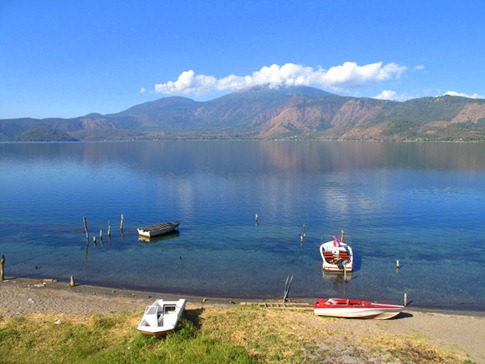
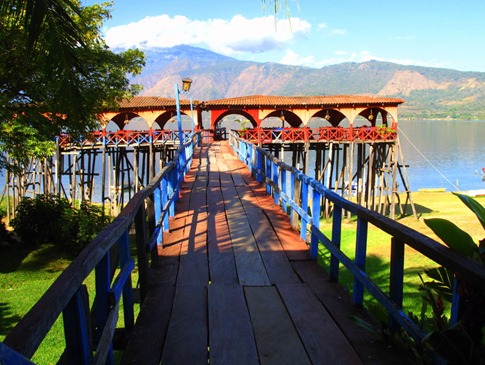
We spent the night on Lago do Coatepeque, still jittery as we drove a secluded- feeling dirt road to the only hotel recommended in either of our books. Anyone approaching us selling bananas or offering to wash the windshield at that point might have found themselves with a backwards imprint of a Nissan logo on their forehead. Despite the lake being really quite beautiful, we pretty much holed up in the shabby room until morning. We had breakfast out on the rickety covered deck overlooking the lake. We could feel the flex in the wooden structure, reminiscent of an old rollercoaster, from the moment the 110 pound waitress set foot on it with our coffee and orange juice and spent most of our meal discussion which way to jump if the whole thing started to go.

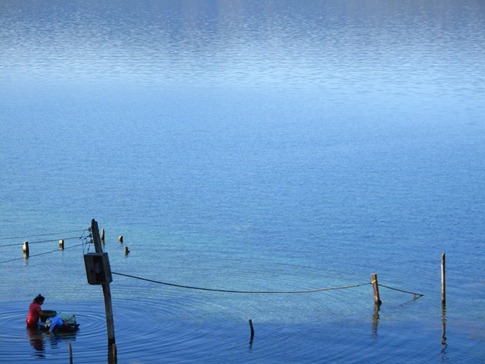
Please look at these pictures to calm down a little. It worked (a little) on us at the time.

IMG_1586

IMG_1585

IMG_1584

IMG_1591

IMG_1594

As some point while filling out the denuncia the day before, we’d agreed to return for an entrevisto, an interview, with another investigator. The whole experience had pushed our Spanish speaking and comprehension skills about to the brink, but the investigator was careful to make sure we understood when he came to the end. He made it clear that if we considered ourselves “offended,” the central office in San Salvador could require that we go to the capital at any time to give more information or look at mug shots. Feeling at the time like we wanted to be out of the country as soon as possible, we acknowledged that we likely wouldn’t have been able to identify any of them – we’re not racist but they were all brown with black hair, oh, and one of them looked like he was about to go skiing in 1980 – and were not willing to follow up.

As we were leaving the hotel in the morning, a boy had approached us. He’d heard us talking to a woman at the hotel about the robbery. (Sorry, off-topic detail but our senses were a bit heightened at the time and we couldn’t help but noticing that the woman was a transvestite, pretty rare in Latin America, especially in the sticks.) Anyway, the boy said he knew the guys who’d done it and that they lived in Lago de Coatepeque. We pressed him, and he acknowledged that he didn’t know the guys but knew they lived there. Before leaving the station, I mentioned this to the investigator and gave him a lecture in my best Spanish about how I had a feeling they knew exactly who these guys were, that they’d done this before and that tourists were not going to be coming back here if this kind of thing continued. He asked if there was anyway he could get in touch with the boy. We said no. He replied that people who talk to the police about crimes in their neighborhoods have a way of showing up with their heads cut off. Okay, enough of that then. We left the police station glad we’d given them a fake home address back in the US.

But El Salvador wasn’t done with us for the day. As we went make a left turn onto Pan American Highway heading south, a police office was blocking the on-ramp. I’ll admit we were still in something of a flight mode at this point so when we flipped a U-turn and approached from the other direction, we drove right past another officer who only weakly raised a hand to stop us. We roared up to 80 km/hr down the completely empty highway. Too empty in fact. After 20 minutes, trucks started backing up on the sides of the road and it was clear something was up. A roadblock? After narrowly missing roadblocks set up by the cartels outside of Morelia two and a half months before, we’d said we’d just pay attention what the locals did, and these locals were stopped cold. When we saw flashing lights and people in the highway in front of us, we were heading the other direction faster than you could say “paranoid gringo.”

Back at the police station in El Congo, they didn’t seem very surprised to see us. Everyone was in the back room watching TV and when we walked in, one guy stood up and offered Ann a chair, then went to get one for me. On the TV was live coverage of an accident involving a truck and three busses just south of El Congo. Over a hundred people had been injured and 11 killed when a truck hit a broken down bus, pushing it into the road where another bus loaded with passengers hit it. A third bus went off the road and hit a tree trying to avoid the first two.

The police assured us that traffic would be snarled for hours, so we consulted on an alternate route north and then south back through Sonsonate, somewhat familiar territory to us at this point.  With heads on swivels and nerves a bit frayed, we connected with CA-2 and drove straight to El Tunco on the coast where we knew we had friends and a safe place to stay. By 5:00, we were moved back into our room at the Hotel Eco del Mar and telling the story to Tree and Stevie and Chad and Emily with a glass of straight rum in our hands and the sun setting on an “unfortunate” chapter of the trip.

A few takeaways for travelers:

  • Talk to your travel companion(s) about various scenarios and make sure you’re on the same page about how you will handle them.
  • Ask for a tourist police escort when you don’t feel comfortable. They seemed to indicate that they would have been happy to have done it.
  • Don’t carry documents, especially not originals, on you. The police were surprised they hadn’t taken our passports. Fortunately, they were hidden away pretty deep in the truck.
  • Keep your valuables secured in your truck at all times while on the road. In our case, while a few things were loose, laptops, documents, and everything else of value was behind at least one padlock in the truck and would have taken a while for them to get or even to force us to get. Time they’re hopefully not willing to spend.
  • Lock your car when you’re not in it, even at a two minute stop.
  • Save your pictures off your camera often. I do it regularly and had just downloaded everything the night before. That would have been the second most tragic loss in our case.
  • Be careful about getting lax about any of the above.

Tuesday, December 14, 2010

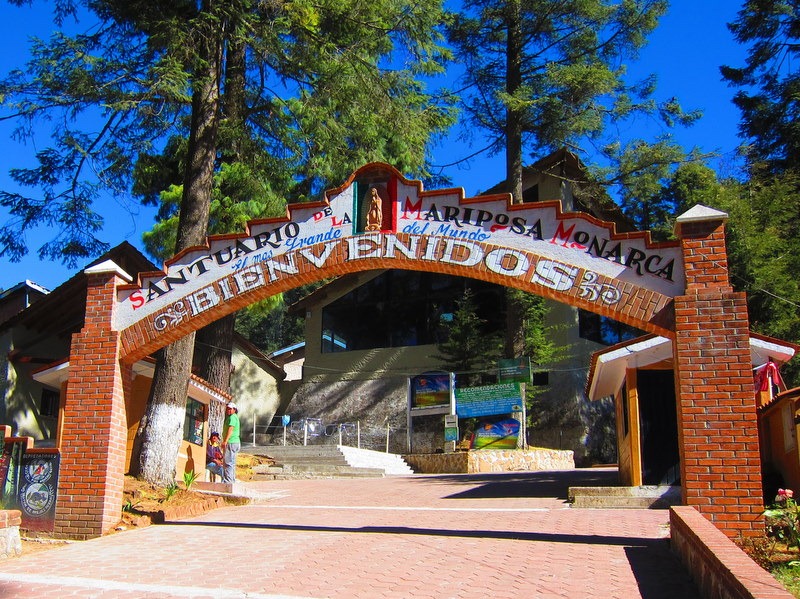
Monarch Butterfly Sanctuary

Having traveled over 3000 miles in their migration, they arrive in the mountains southwest of Mexico City, east of the hillside town of Angangueo. This time of the Winter, the nights are long and temperatures can drop below freezing. They huddle together for warmth, remaining still until dawn. An hour or so after the sun begins to warm the air, you can see their first stirrings; Tentative evaluations to confirm that they’ve survived the night. As the warmth begins to penetrate their bodies, they shift and twitch to circulate the blood, their movements gradually becoming more purposeful. At last, they burst forth from the comfort and security that had ensconced them through the night, emerging to greet the day, it reveling as much in their beauty as they do in its. They usually make coffee and oatmeal right after. And today was a big day; they were going to the Monarch Butterfly Sanctuary. 

IMG_1959 IMG_1961
After driving south out of Guanajuato state and briefly through Queretaro and the State of Mexico (but, of course, I don’t have to name all the Mexican states for you! Right?), we reentered the much-feared Michoacán. At the border, no more than an overpass with a welcome message similar to what you’d see in the US, there was definitely an increased security presence, a few police cars and trucks with heavily armed men, but as usual, they didn’t give us a second look. And more importantly, they didn’t flag us down and say “Dios mio! What the hell are you doing entering Michoacan?!” So that was good.

Graffiti in the towns we drove through reflected the fact that some locals either thought that the contributions the cartels made to the communities were positive, a common and quite ingenious insurgent strategy, or that living with them was preferable to the violence of fighting them. They said things like “END THE WAR ON THE CARTELS” "or “MR. PRESIDENTE, NO VIOLENCE IN MICHOACAN.” It’s also possible that the brother-in-law of the cartel leader went to the ferreteria and bought a can of spray paint, a less common but equally ingenious strategy.

Small curvy lines shown in yellow on the Guia Roji, the road atlas sold at any of the OXXO stores usually attached to the state run Pemex gas stations, are the local, free routes which wound us down from double red-lined toll roads into Angangeuo, the gateway to the butterfly sanctuaries. Actually, “cascaded” might be a better word since the town sat on either side of a river in a steep narrow valley that had clearly been a wall to wall waterfall a few months earlier. With every other bridge back and forth across the river washed out, we picked our way through the side streets, at one point asking directions from a truck full of 30 Mexican army troops who looked as startled to see us as we did to see them.

The 10km road to the El Rosario Monarch Mariposa Sanctuary had been all dirt until it was recently cobbled to accommodate the hoards of Mexican tourists who descend on the area in the high season from Jan – Feb. Because you know the slogan: “When you think of long range driving comfort, think cobblestones.” It’s better than their previous two: “Cobblestones, the first name in filling removal.” and “Rupturing spleens since 400 BC.” 

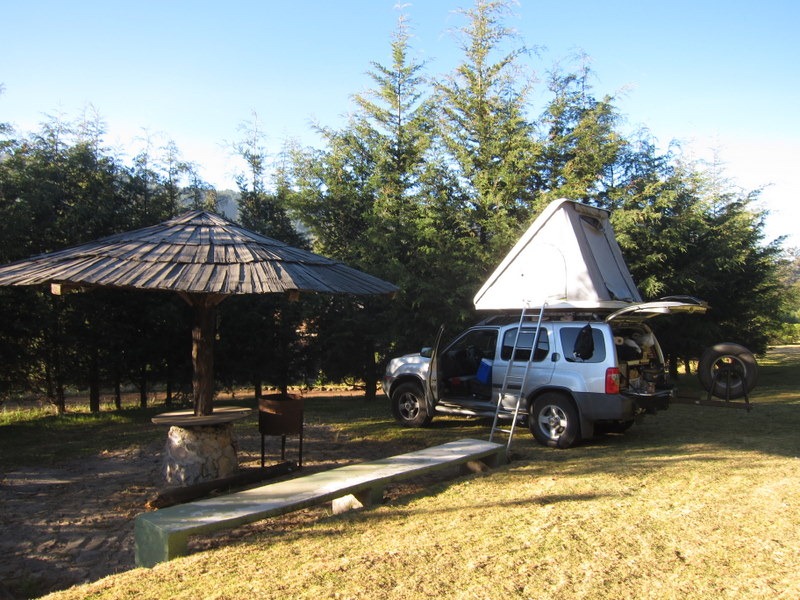
But we were early in the season and though the Hotel Givali, three quarters of the way up the road, boasted a hundred vacant rooms, a rockclimbing wall, children’s playground and farm animals, all laid out in a quaint, park-like setting, we settled in beside a palapa in the camping area at the back. We were entertained as the spritely female proprietor would disappear each time we asked a question and then reappear with the answer just as we decided she’d forgotten about us. We cooked up some chicken and the wilting broccoli that had been in the fridge since the market in Patzcuaro, shifted the back seats into “living room mode” and crawled inside to get out of the cold.

IMG_1970 IMG_1973
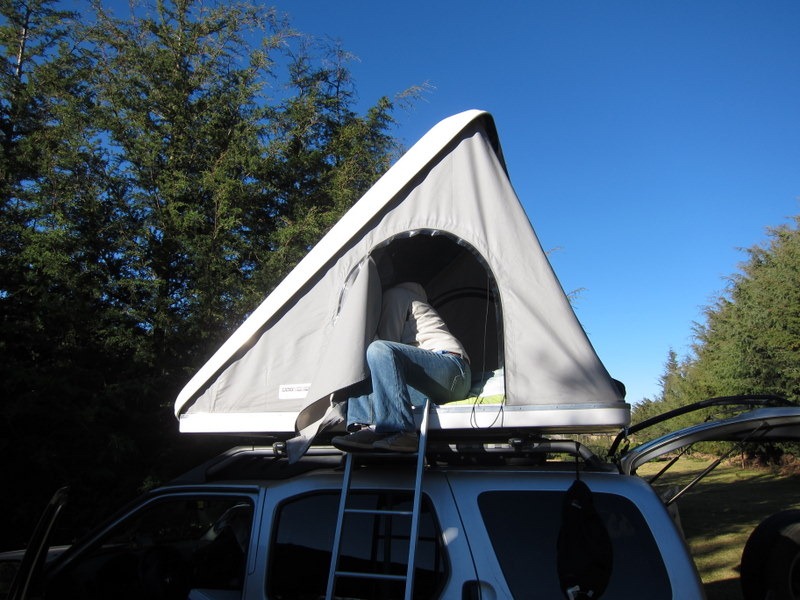
Our palapa at the Hotel Givali. Ann in her capacity as roof top tent setter-upper and tearer-downer. The secure gates of the hotel are usually locked so ring the bell or knock loudly.

Our plan had been to go to one of the newer and less popular butterfly sites, having been cautioned by the Lonely Planet that El Rosario can receive 8,000 visitors a day, but as we pulled into the terraced parking lots, there was not one car. We finally noticed a raised roof van, the type favored by German overlanders, pretty much the only other nationality besides Canadians we’d been seeing on the road, parked off in a corner. The utilitarian diesel vans, all painted either a matt light blue or tan and with the distinctive European plates, elongated white rectangles with black lettering, are commonly shipped over to Canada for a drive around the Americas. Like most of the Germans we’ve talked to, these folks were very nice, with some English, and seemed surprisingly fearless about setting off into unknown parts halfway across the planet from the Black Forest. Another guy we talked to had been sleeping in his van behind Pemex stations and had just driven the road that shadows the Mexico-Guatemala border through mountains known to be used by the remaining Zapatista rebels and human traffickers smuggling Central American immigrants across the border into Mexico. These Germans have gewerstemeiners the size of schlosses! (don’t bother translating that) Then again, we’re on a bad-ass trip as well. I mean, to a lot of people, what we’re doing is pretty hard core.

Now where was I? Oh yes, the butterflies.

IMG_1986

IMG_1989 IMG_1364-1

IMG_1988 

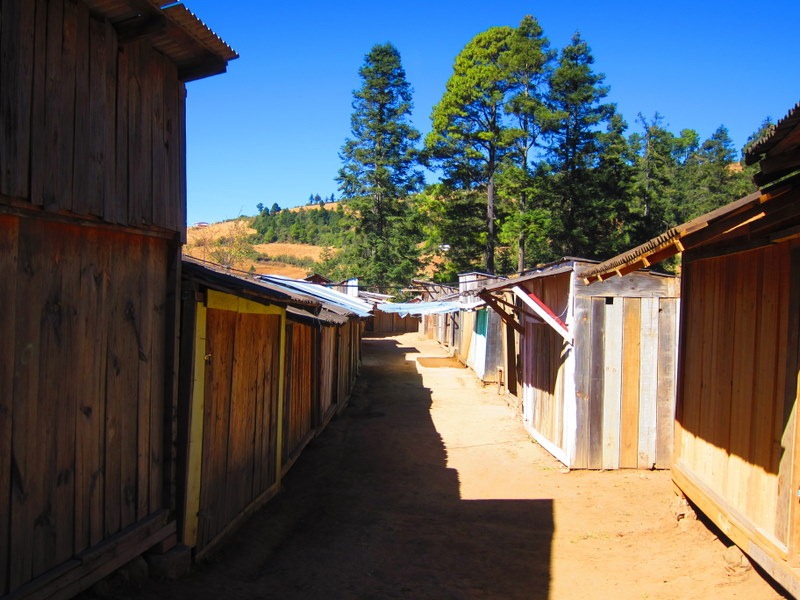
The path to the gate of the sanctuary wound through a ghost town of at least a thousand deserted stalls sided with old scraps of wood that people on green renovation shows on cable would pay a fortune for and presumably filled with local crafts and butterfly souvenirs during the high season. But thankfully, first thing on a Monday morning in December, the only person around was a charismatic woman with a huge smile on her face who had walked down to where we’d parked and, politely but proactively, told us in Spanish that should we need anything to eat or drink before heading up the hill, she’d be waiting for us. When we approached her stall, she rattled off a list of 10 different dishes and preparations, pulling back cloths to reveal raw meat in bowls on the table beside her wood stove. We made our apologies, explaining that we’d brought food in our pack but figured the least we could do was have a cup of coffee. It was then, sitting on the bench at one of her long tables lined with Boing! fruit drinks in tall multicolor bottles that we realized why we liked her so much; She had the same smile and eyes as our friend Kathleen from home!

IMG_1978 DSC_0165-1

She got a big kick out of it and when we took a picture, she said she wanted a copy. In the most culturally and socio-economically sensitive way we could manage with our intermediate Spanish (which is to say… not), we asked her if we could email it to her. She thought that was pretty funny and explained that we’d just have to come back and bring it to her.

IMG_1990

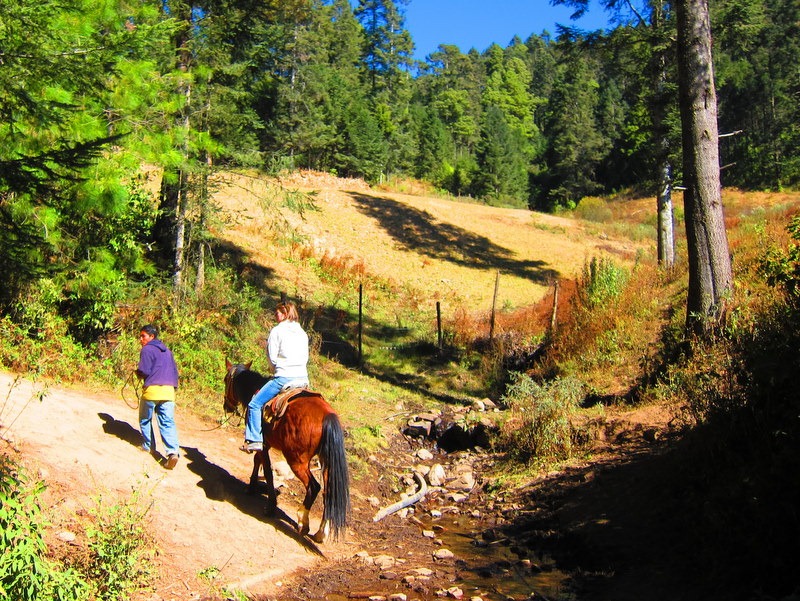
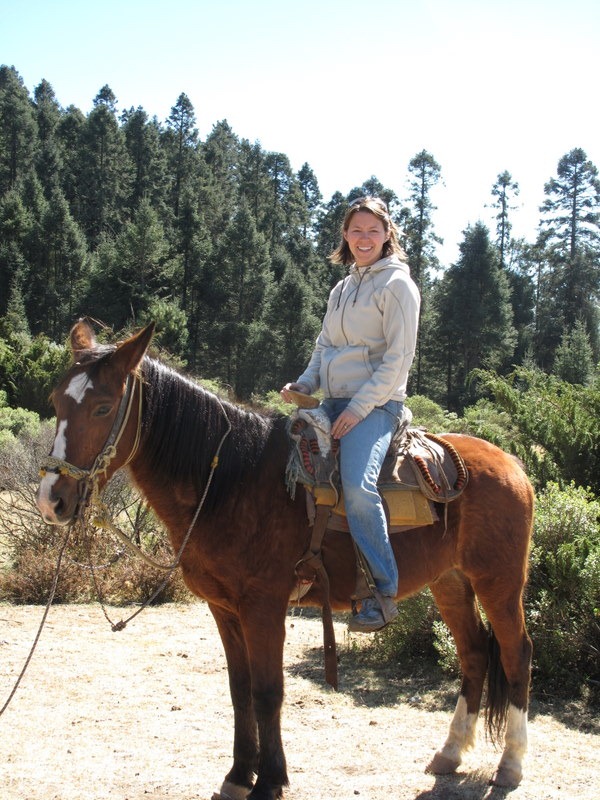
At the entrance, a few young men hung around, sitting on the turnstiles. We’d heard that all the guides at the sanctuaries were volunteers who worked for tips, and as we approached, one of the guys jumped up, it obviously being his turn for clients. In addition to not speaking English, our guide was a certified “soft talker.” The closer you leaned in to hear him, the softer his voice would get until you suspected he was now talking to the butterflies, informing them that we were on our way. After gathering that it would be over an hour walk or 30 minutes by horse up to where the butterflies were, we negotiated about $5 each for horses. Though the logic of the time estimates broke down when the two horse tenders and our guide walked along beside our horses carrying on animated conversations and yet somehow managed to get there at the same time we did, at 10,000 ft, we were glad to have hitched a ride up the steep, loose path.

IMG_1991 IMG_2000

IMG_1361-1 

IMG_1355-1

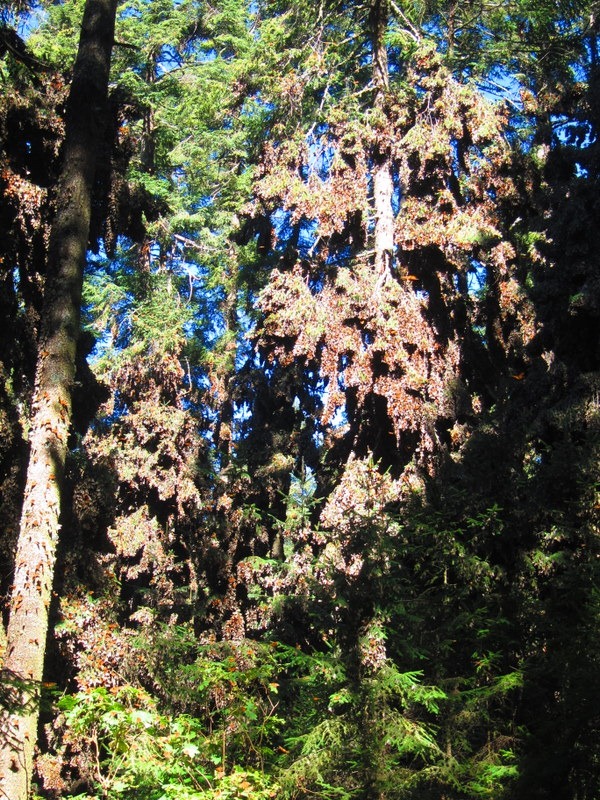
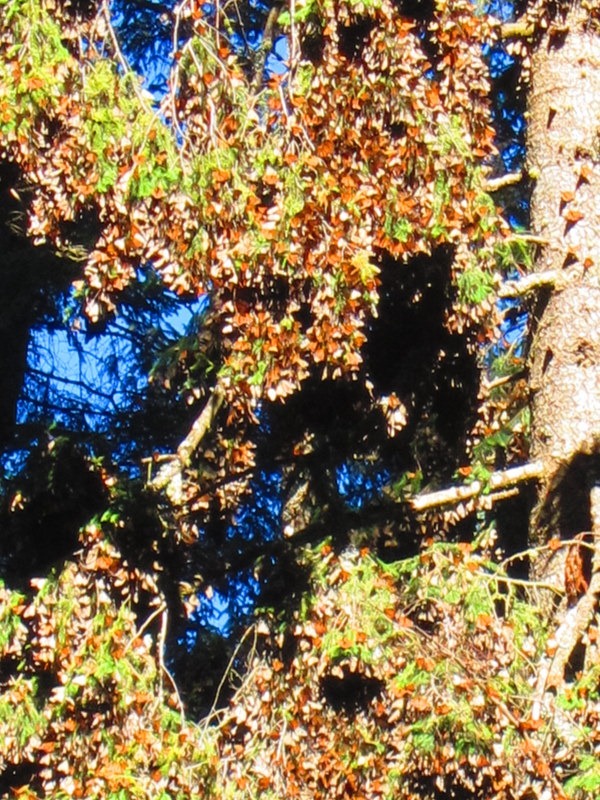
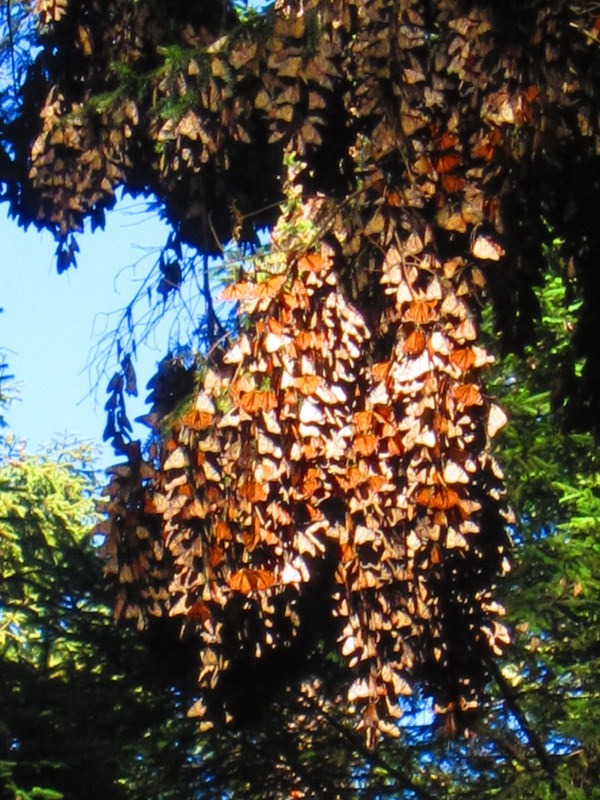
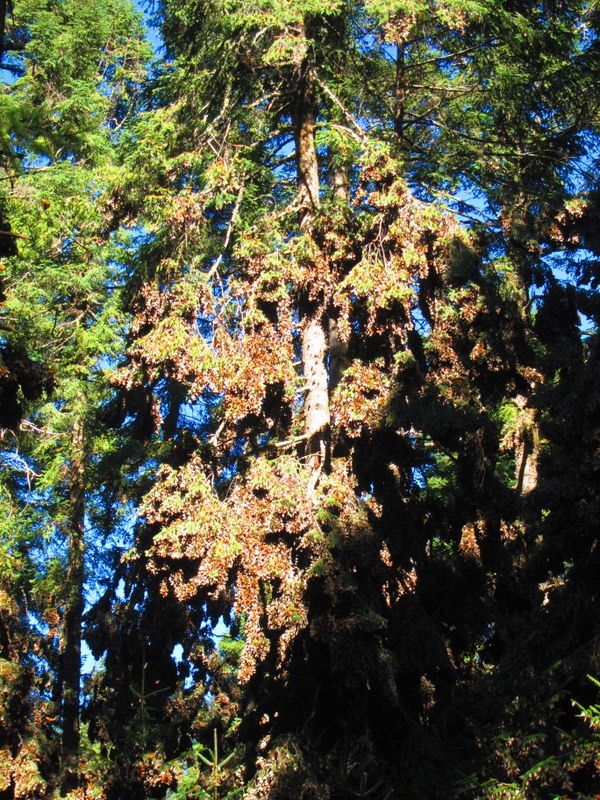
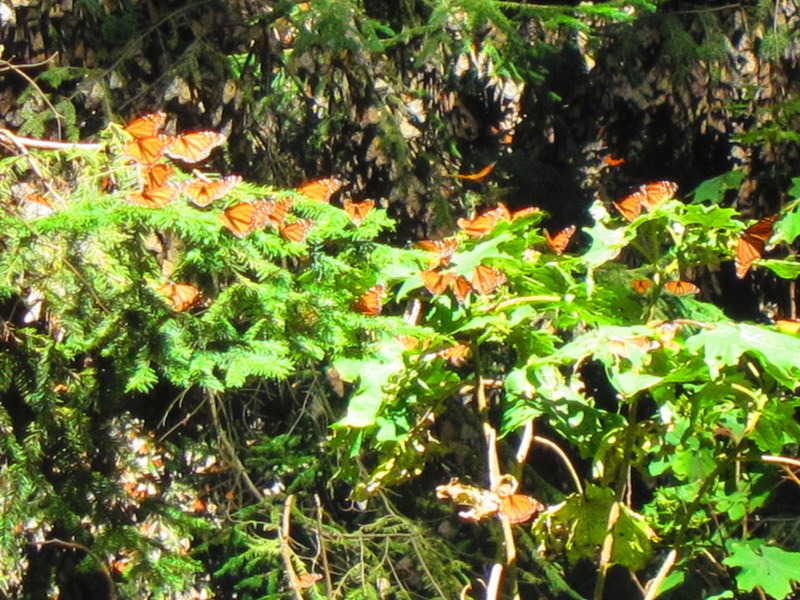
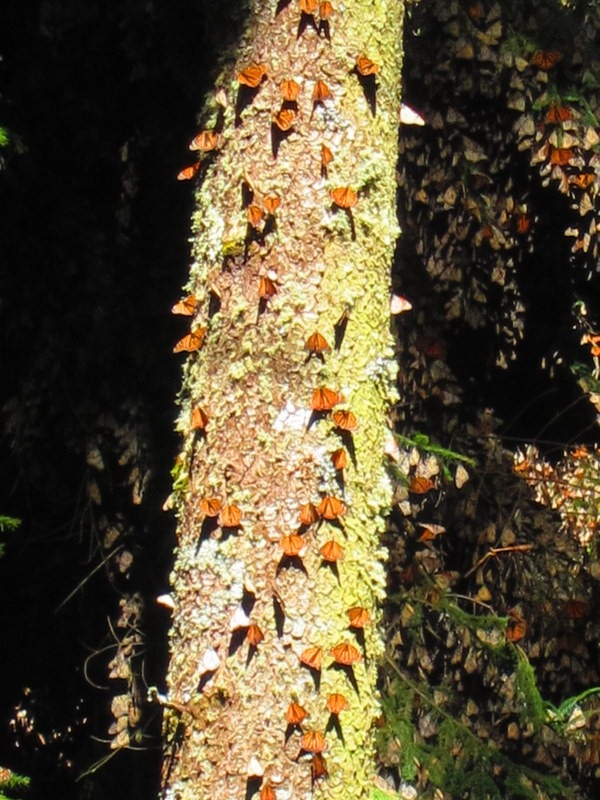
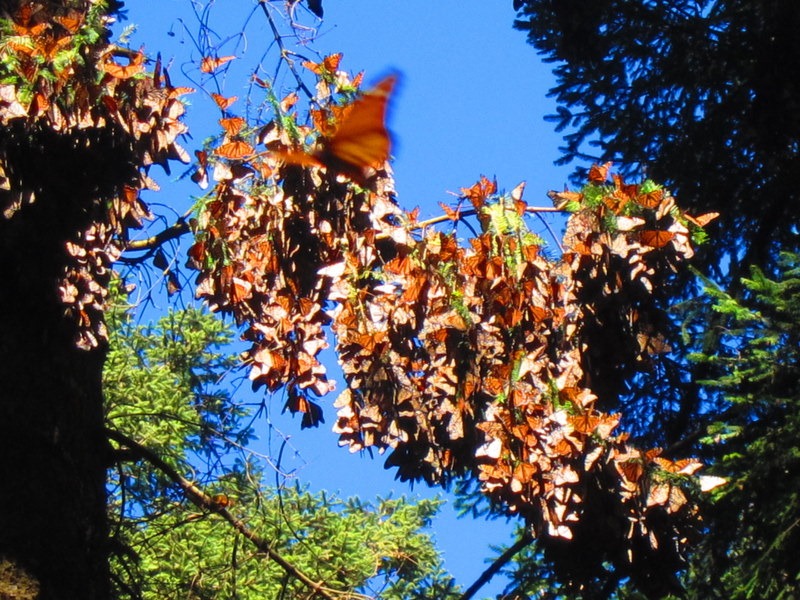
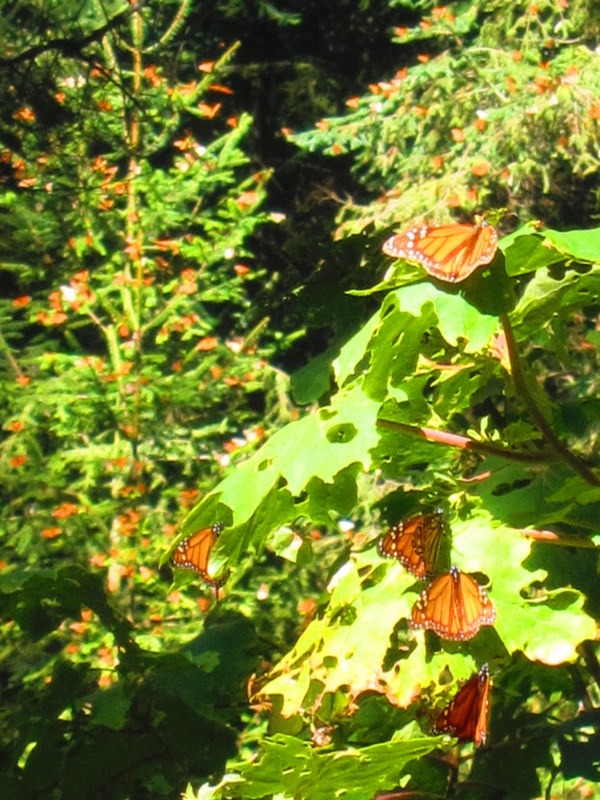
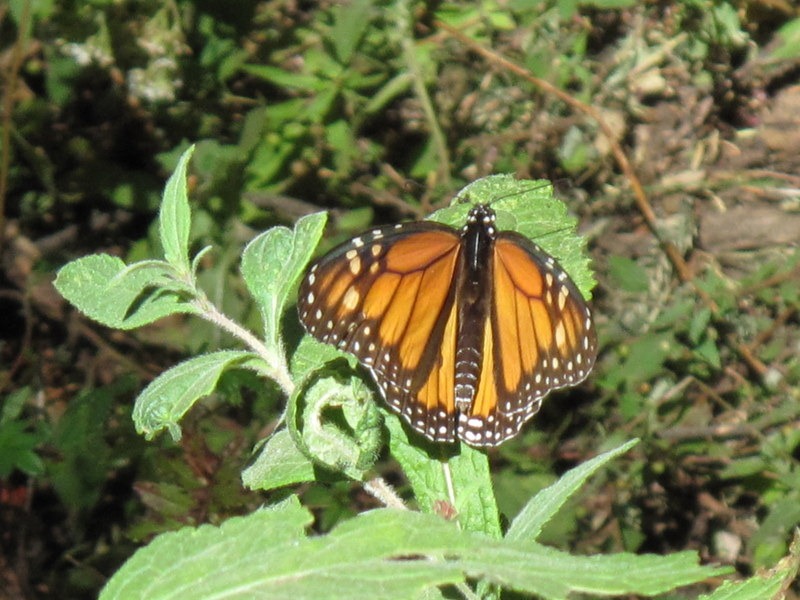
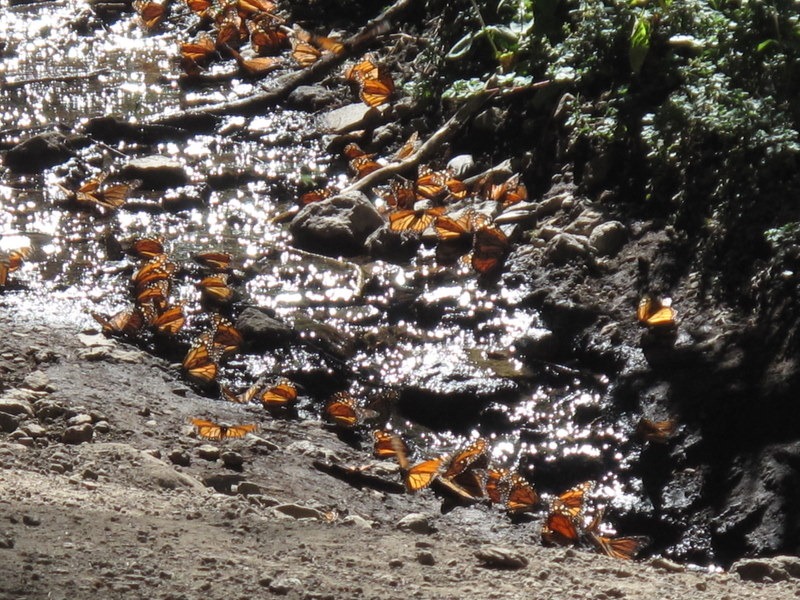
After about 20 minutes, we dismounted and walked another 10 until butterflies started to appear, three of four of them flittering around in the beams of sunlight in front of us. And when we got to rope across our path, we looked up into the trees and realized that they were literally dripping with them; Clusters of butterflies two feet thick and four feet long dangling from branches like giant pine cones, the gray undersides of their wings acting as camouflage until they were ready to take flight in a vivid orange flash. 

IMG_2049 IMG_2034
IMG_2035 IMG_2030

As the sun shifted, they would slowly come to life like a robotic army being summoned by its evil creator, testing their hydraulics and downloading instructions. With all systems go, they’d peel off, momentarily adjusting their trajectories as they broke free of the gravitational pull of the mothership and calibrated their flight plans. At least it’s easier thinking of them that way than trying to explain how 8 months prior, a mass of butterflies had left these mountains headed for the Great Lakes in the northern United States. Before reaching their destination, they would have reproduced and died two times, with each subsequent generation continuing on the prescribed course. In the Fall, these great grandchildren would have turned south and reversed the migration, again reproducing and dying twice along the way before they arrived en masse, four generations later to the same mountains. Yeah, I’ll stick with flying robot warriors.

IMG_2032 IMG_2038
IMG_2017 IMG_2041 
IMG_1324-1 IMG_1348-1

Above are just some of the pictures of the incredible day. I’ve learned my lesson about cultural and socio-economic sensitivity so I won’t presume you have an email address where I could send more, but we could bring some extras if you wanted to meet us back at the sanctuary. We’re trying to coordinate a time to meet up with our Kathleen doppelganger; I poked her on Facebook but she hasn’t responded yet.

I also put together a little video I hope will give you some of the experience of being there.

That night, we ended up in Valle de Bravo, though it took us a while to be sure of that. We tried to find the campground where we’d read in San Miguel that Kevin and Ruth had been staying. We knew that the campground was called “Embarcadero” something and was also a boat ramp, so we drove into an unmarked gate towards the lake and some stored boats. We asked the first guy we saw if this was the “Embarcadero.” He kinda looked around at the boats behind him, shrugged and nodded. About then our Spanish kicked in and we realized that “embarcadero,” a word we frequently hear living in San Francisco, just means “pier” or “wharf,” thus making our question a pretty dumb one. We didn’t recognize the area from Kevin and Ruth’s blog, so we decided to head into town to find a hotel. We’d later find out that around that time, Kevin and Ruth checked our SPOT tracker and saw that we were about 100 yards from them. They came running over but we’d just driven out.

IMG_2071 IMG_2055

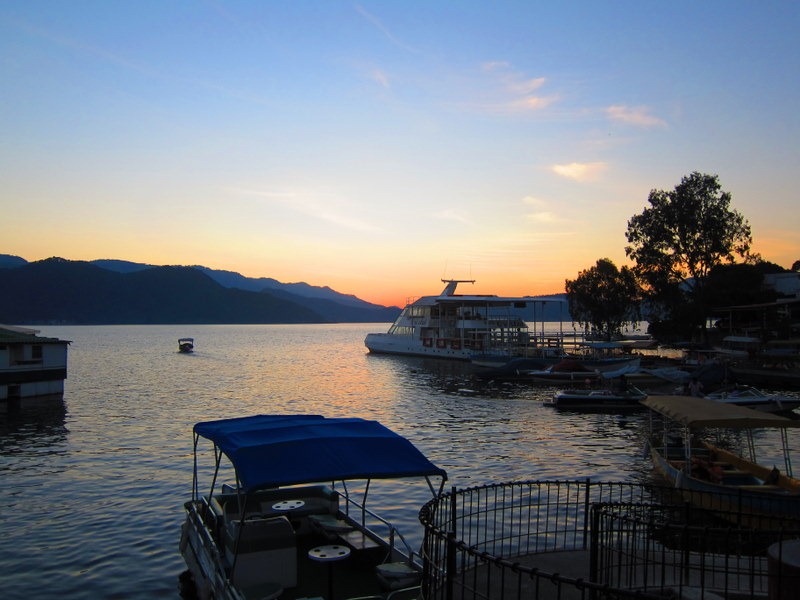
That brings us to the next problem. We were driving along the shores of Lake Avándaro, often compared to the Italian lakes, but we couldn’t really tell whether there was actually a town called “Valle de Bravo” or if that was just the name of the area. Had it been the intersection we first came to up and away from the lake? Was it the crowded and dumpy mainstreet we’d been funneled down? Or could it be over near that old church we’d glimpsed down a side street? The imprecise maps we had loaded on the GPS of course were no help so, we continued on the road, assuming we’d see a sign for the centro or hotels.  Before long were at the south end of the lake, so we turned around and started back. Somehow, trying to retrace our route dead-ended us right into a nice zocalo we’d never seen before. We noticed a sign on the church announcing that there was free wifi in the square so, in one of the weirder moments of the trip, we got out the laptop, got online and checked our own SPOT tracker to find out where we were. We then plugged the coordinates into Google Maps and searched for hotels nearby. With several results shown, we switched to “Street View” and started walking around looking for them.

A day with millions of butterflies, a lake fit for Jorge Clooney and public wifi in front of a centuries-old church. I think I need to get in touch with the Mexico tourism office.
 
IMG_2053 IMG_2064